

The world of design is evolving at lightning speed, and one technology leading this charge is real-time 3D rendering. Imagine being able to visualize your ideas in a fully immersive environment, tweaking designs on the fly, and seeing results instantly. No longer confined to static images or lengthy rendering times, designers are experiencing a creative renaissance as they harness the power of 3D design and rendering. By 2025, this innovative approach not only enhances creativity but also transforms workflows across industries, bridging the gap between imagination and reality like never before. Let’s explore how real-time 3D rendering is reshaping design for professionals everywhere.
Advancements in Technology
The surge in technological advancements has propelled real-time 3D design and rendering into the spotlight. Innovations in graphics processing units (GPUs) now allow for unprecedented detail and realism. Complex models that once took hours to render can now be visualized instantly.
Cloud computing plays a vital role, enabling designers to access powerful resources remotely. This flexibility allows teams to collaborate seamlessly, regardless of location. Virtual reality (VR) and augmented reality (AR) integrations are transforming how users interact with designs, offering immersive experiences.
Artificial intelligence is also making waves in this space. AI algorithms streamline workflows by automating routine tasks, leaving designers free to focus on creativity. Moreover, machine learning enhances rendering quality by predicting user preferences and optimizing visuals accordingly.
These developments not only elevate design quality but also speed up project timelines significantly. As technology continues its rapid evolution, the possibilities for 3D design appear boundless.
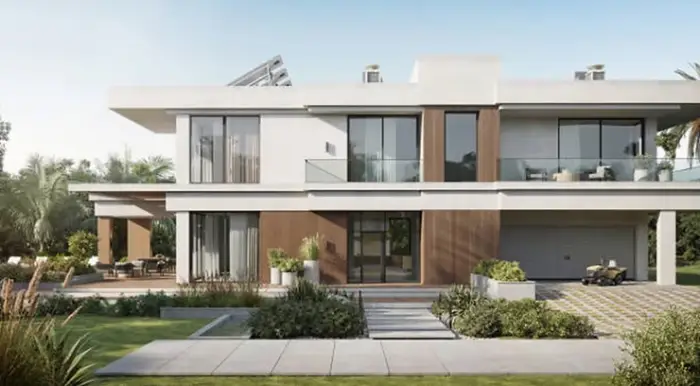
Benefits of Real-Time 3D Rendering for Designers
Real-time 3D rendering is revolutionizing the design landscape. It provides designers with immediate feedback, allowing for quick adjustments and refinements. This immediacy fosters creativity, enabling professionals to explore multiple concepts in a fraction of the time.
Collaboration takes on a new dimension with this technology. Designers can easily share their work with clients or team members and make real-time changes based on instant feedback. This leads to more informed decisions and better outcomes.
Additionally, high-quality visuals become attainable for everyone involved in the design process. Whether it’s architecture, product development, or gaming, stunning graphics elevate presentations significantly.
Another significant benefit lies in cost-efficiency. By reducing labor hours spent on revisions and iterations, companies save money while enhancing productivity. Real-time rendering empowers designers to visualize ideas without extensive delays or costly mistakes that traditional methods often entail.
How Real-Time 3D Rendering is Changing the Design Industry?
Real-time 3D rendering is revolutionizing the design industry in remarkable ways. Designers can now visualize concepts instantly, allowing for immediate feedback and adjustments. This agility fosters creativity and collaboration among teams.
Gone are the days of waiting hours or even days for renderings to complete. With real-time capabilities, iterations happen on the fly during presentations or brainstorming sessions. This immediacy not only enhances productivity but also leads to richer discussions about design choices.
Moreover, client engagement has reached new heights. Clients can interact with designs through virtual reality interfaces, gaining a deeper understanding of the project before it materializes. This immersive experience transforms how clients perceive and connect with their projects.
As designers embrace this technology, traditional workflows are being redefined. The emphasis is shifting from static representations to dynamic experiences that embody innovation at every stage of the design process.
Case Studies of Companies Using Real-Time 3D Rendering
Several companies are embracing real-time 3D rendering to elevate their design processes. Take IKEA, for example. Their use of this technology allows customers to visualize furniture in their own spaces through augmented reality. This immersive experience enhances decision-making and reduces returns.
Another noteworthy case is Ford Motor Company. They leverage real-time rendering for vehicle prototypes, enabling designers to assess aesthetics and functionality without costly physical models. This accelerates the development timeline significantly.
In architecture, firms like Gensler have integrated real-time 3D visualization into client presentations. It helps stakeholders grasp complex projects better, fostering collaboration and informed feedback early in the design phase.
These examples illustrate how diverse industries harness cutting-edge technology to stay ahead of the competition while enriching user experiences with interactive visualizations.
Predictions for the Future of Design with Real-Time 3D Rendering
The future of design with real-time 3D rendering looks remarkably promising. As technology advances, we can expect even more immersive experiences for creators and clients alike.
Imagine virtual reality environments where designers collaborate in real time from anywhere in the world. This level of interactivity will redefine teamwork and creativity.
Artificial intelligence is likely to play a significant role as well. Smart algorithms might assist designers by suggesting improvements or generating designs based on user feedback, streamlining the creative process considerably.
Sustainability is another crucial factor shaping this future. With enhanced rendering capabilities, designers will simulate materials and processes to assess environmental impacts before production begins.
As industries adopt these innovations, we may see a shift toward more personalized design solutions that adapt dynamically to individual consumer preferences, making every project unique and tailored.
Conclusion
The impact of real-time 3D rendering on design is undeniable. As technology continues to advance, designers are equipped with tools that elevate their creative processes. The benefits—ranging from enhanced visualization to improved collaboration—are reshaping how projects come to life.
Companies embracing this innovative approach are seeing tangible results, pushing boundaries, and setting new standards in the industry. With the potential for further advancements on the horizon, it’s clear that real-time 3D rendering will play a crucial role in shaping future design landscapes.
For professionals within the field of 3D design and rendering, staying updated with these trends is vital. Engaging with ever-evolving technologies not only enhances individual skill sets but also broadens opportunities for creativity and innovation across various industries. The journey ahead looks promising as we embrace these cutting-edge developments together.

Martin Evans is a tech specialist with 10+ years of experience in software engineering, data analytics and digital transformation. He currently works as Senior Software Engineer for a leading IT solutions company in England. Martin has a passion for programming and loves staying up to date with the latest technology trends. He specializes in developing custom software solutions and is experienced with everything from front end to back end engineering practices.