
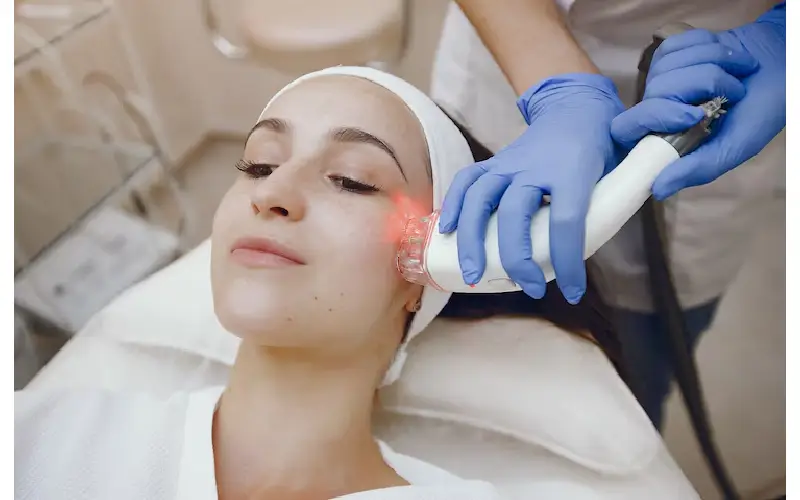
Hyperpigmentation, characterized by dark spots or patches on the skin, is a common cosmetic concern that affects people of all ages and skin types. Whether caused by sun exposure, hormonal changes, acne scars, or aging, hyperpigmentation can undermine skin’s natural radiance and uniformity. Fortunately, hyperpigment laser treatment offers a powerful solution to reduce these dark spots and help restore an even, glowing skin tone. This article explores how this treatment works, its benefits, what to expect, and who can benefit from it.
What Is Hyperpigment Laser Treatment?
Hyperpigment laser treatment is a dermatological procedure that uses focused laser light to target and break down excess melanin in the skin. Unlike topical creams that work gradually, laser treatment offers precise, deeper penetration to treat stubborn pigmentation effectively.
The lasers emit specific wavelengths absorbed by the melanin granules, fragmenting them into smaller particles. These are then naturally eliminated by the body’s immune system, revealing clearer and more even-toned skin underneath.
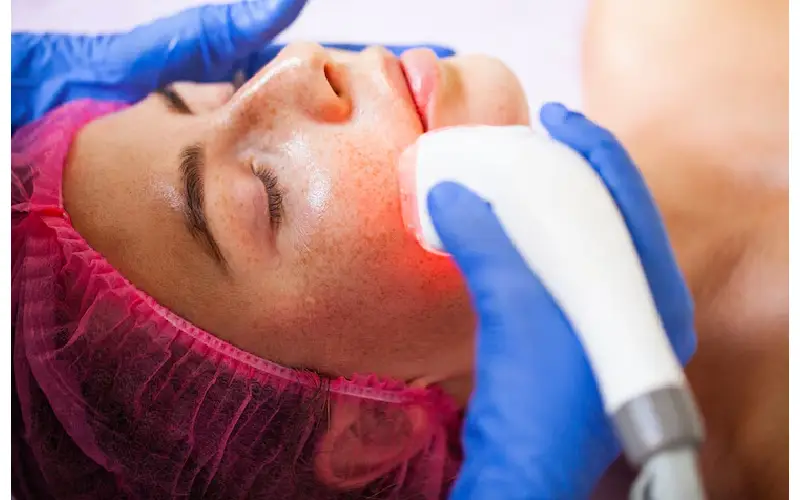
Types Of Lasers Used For Hyperpigment Treatment
Several types of lasers are used in hyperpigment laser treatment, each suited for different skin tones and pigmentation issues:
- Q-Switched Nd:YAG Laser: Ideal for deeper pigmentation and works well on darker skin tones due to its longer wavelength.
- Fractional CO2 Laser: Ablative laser that resurfaces the skin, targeting pigmentation and improving texture.
- Alexandrite Laser: Effective for lighter skin tones and smaller pigmentation spots.
- Intense Pulsed Light (IPL): Technically not a laser, but a light therapy often used alongside lasers for pigmentation correction.
Your dermatologist will recommend the best laser type based on your skin type, pigmentation severity, and treatment goals.
How Does Hyperpigment Laser Treatment Work?
The laser delivers controlled pulses of light energy to the pigmented areas. This process involves:
- Selective Photothermolysis: The laser selectively targets melanin without damaging surrounding skin.
- Melanin Breakdown: The melanin granules absorb the laser energy and shatter into smaller fragments.
- Natural Elimination: The body’s lymphatic system gradually removes these fragments over days to weeks.
- Skin Regeneration: Stimulated collagen production leads to healthier, rejuvenated skin with improved tone and texture.
Multiple sessions are often necessary for optimal results, spaced weeks apart, depending on the pigmentation depth and skin response.
Benefits Of Hyperpigment Laser Treatment
Hyperpigment laser treatment offers several advantages over traditional treatments:
- Precision: Lasers target pigmentation without affecting normal skin.
- Speed: Noticeable improvement can often be seen after just a few sessions.
- Minimal Downtime: Most patients experience mild redness or swelling but can resume daily activities quickly.
- Long-Lasting Results: When combined with sun protection and skincare, results can last for years.
- Improved Skin Texture: Besides lightening dark spots, lasers stimulate collagen, enhancing overall skin smoothness.
Who Is An Ideal Candidate?
Not everyone is suitable for hyperpigment laser treatment. Ideal candidates are:
- Those with localized dark spots, melasma, or post-inflammatory hyperpigmentation.
- Individuals with skin types I to IV (fair to medium skin tones) respond well to most lasers, though specific lasers cater to darker skin tones.
- Patients without active skin infections or conditions such as eczema or psoriasis in the treatment area.
- Those committed to following post-treatment care, especially sun protection.
A dermatologist consultation is essential to evaluate skin type, pigmentation cause, and discuss realistic expectations.
What To Expect During And After Treatment?
Before Treatment:
- A patch test may be conducted to assess skin reaction.
- Avoid sun exposure and discontinue certain skincare products (like retinoids) as advised.
During Treatment:
- The procedure typically lasts 20-30 minutes.
- You may feel mild discomfort or a snapping sensation; topical numbing creams can be used.
- Eye protection is provided to shield against laser light.
After Treatment:
- Mild redness, swelling, or tiny scabs may appear.
- Pigmented areas may darken briefly before fading.
- Avoid direct sunlight and apply broad-spectrum sunscreen daily.
- Follow any skincare regimen recommended by your dermatologist.
Potential Risks And Side Effects
While generally safe, hyperpigment laser treatment may have side effects, including:
- Temporary redness and swelling.
- Mild itching or dryness.
- Rarely, blistering or scarring.
- Hypopigmentation (lightening) or hyperpigmentation (darkening) if post-care is neglected.
Choosing an experienced professional and adhering to aftercare instructions minimizes these risks.
Complementary Treatments And Maintenance
To maximize and maintain results, hyperpigment laser treatment is often combined with:
- Topical Agents: Hydroquinone, vitamin C, or retinoids to prevent melanin production.
- Chemical Peels: Light peels can enhance pigment removal.
- Regular Sun Protection: Daily sunscreen use is critical to prevent recurrence.
- Healthy Lifestyle: Hydration, balanced diet, and avoiding triggers like excessive sun exposure or hormonal imbalance.
Regular follow-up appointments help monitor skin health and guide maintenance.
Conclusion
Hyperpigment laser treatment stands out as a highly effective and precise method to combat uneven skin tone caused by hyperpigmentation. By targeting excess melanin directly, it restores the skin’s natural clarity and radiance with minimal downtime. Whether dealing with sun spots, melasma, or post-inflammatory pigmentation, laser therapy can offer a lasting solution when combined with professional care and consistent skin protection. Consulting a qualified dermatologist will ensure the best treatment plan tailored to your skin’s needs, helping you achieve an even, luminous complexion.

Martin Evans is a tech specialist with 10+ years of experience in software engineering, data analytics and digital transformation. He currently works as Senior Software Engineer for a leading IT solutions company in England. Martin has a passion for programming and loves staying up to date with the latest technology trends. He specializes in developing custom software solutions and is experienced with everything from front end to back end engineering practices.