

A network load balancer (NLB) plays a crucial role in managing and distributing traffic efficiently across multiple servers, ensuring optimal performance, high availability, and fault tolerance. Choosing the right load balancer is essential for businesses that want to optimize their IT infrastructure while controlling costs. Selecting a cost-effective network load balancer requires a strategic approach, considering factors like scalability, security, deployment options, and pricing models. This guide explores the essential aspects to help businesses make an informed decision.
The Role Of A Network Load Balancer
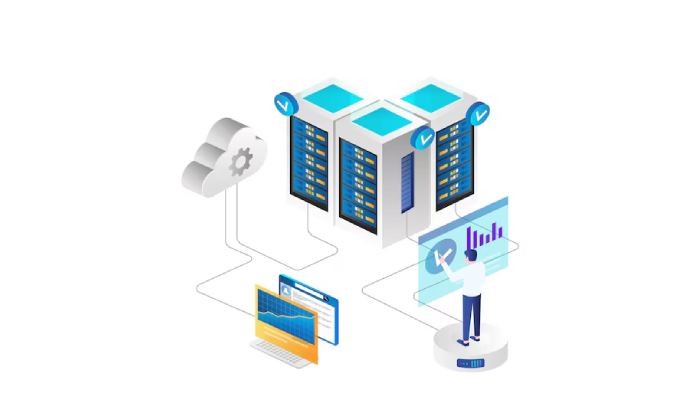
A network load balancer is responsible for managing high volumes of incoming traffic by distributing requests across multiple backend servers. Unlike traditional load balancers, an NLB operates at the transport layer (Layer 4) of the OSI model, handling TCP and UDP traffic efficiently. It ensures that no single server gets overwhelmed, which enhances reliability, reduces downtime, and improves overall system performance.
Businesses rely on network load balancers to:
- Handle large-scale traffic with low latency
- Improve redundancy and failover mechanisms
- Optimize resource utilization for cost efficiency
- Maintain high availability of critical applications
A well-chosen network load balancer minimizes infrastructure costs while enhancing the speed and reliability of business operations.
Key Factors To Consider When Choosing A Cost-Effective Network Load Balancer
Scalability and Performance
The ability to handle growing traffic loads is crucial when selecting an NLB. A cost-effective load balancer should:
- Support auto-scaling to accommodate traffic spikes
- Maintain low latency under heavy loads
- Ensure seamless performance even with multiple application instances
Businesses should evaluate their expected traffic volume and choose an NLB that can scale efficiently without unnecessary cost overhead.
Deployment Options: On-Premises vs. Cloud-Based
Network load balancers can be deployed either on-premises or in the cloud. Each option has cost implications:
- On-Premises Load Balancers: Suitable for businesses that need direct control over their infrastructure. However, they require significant upfront investment in hardware, maintenance, and management.
- Cloud-Based Load Balancers: Ideal for businesses looking for a cost-effective, scalable, and maintenance-free solution. Cloud providers offer pay-as-you-go pricing models, reducing the need for large capital expenditures.
For most businesses, cloud-based network load balancers offer better cost efficiency, as they eliminate the need for expensive hardware upgrades.
Pricing Models and Cost Optimization
Understanding pricing structures is essential for selecting a cost-effective network load balancer. Common pricing models include:
- Pay-as-you-go: Charges based on actual usage, ideal for businesses with fluctuating traffic.
- Subscription-based: Fixed monthly or yearly pricing for predictable expenses.
- License-based: One-time purchase with long-term use, but often requires additional maintenance costs.
Businesses should analyze their traffic patterns and choose a pricing model that minimizes expenses without compromising performance.
Load Balancing Algorithms and Traffic Distribution Methods
A good network load balancer should support various traffic distribution methods to optimize performance and cost. Common algorithms include:
- Round Robin: Evenly distributes requests across all servers, best for equal workloads.
- Least Connections: Directs new requests to the server with the fewest active connections, ideal for applications with varying workloads.
- IP Hashing: Routes requests based on a client’s IP address, useful for session persistence.
Selecting an efficient algorithm ensures optimal resource usage and reduces unnecessary server costs.
Security and Compliance Considerations
Security is a major factor when choosing an NLB, as it plays a critical role in protecting business applications. A cost-effective network load balancer should include:
- DDoS Protection: Prevents malicious traffic overloads that can disrupt services.
- SSL Termination: Reduces encryption overhead on backend servers, improving performance.
- Access Control Policies: Restricts unauthorized traffic and prevents security breaches.
Choosing an NLB with built-in security features eliminates the need for additional security solutions, reducing overall costs.
Integration with Existing Infrastructure
A cost-effective network load balancer should integrate seamlessly with existing IT infrastructure, avoiding unnecessary expenses in reconfiguration or migration. Key considerations include:
- Compatibility with current networking and application architecture
- Support for automation tools (e.g., APIs for DevOps integration)
- Easy setup and configuration to minimize deployment costs
Businesses should opt for an NLB that simplifies integration and reduces operational overhead.
Fault Tolerance And Reliability
Downtime can be costly, making reliability a key factor in selecting an NLB. A cost-effective solution should provide:
- Health Monitoring: Automatic detection and rerouting of traffic from failed servers.
- Failover Mechanisms: Redundancy options to ensure continuous service availability.
- Geographical Load Balancing: Distributing traffic across multiple locations for improved disaster recovery.
Investing in an NLB with built-in reliability features helps prevent revenue losses caused by system failures.
Best Practices For Choosing A Cost-Effective Network Load Balancer
Analyze Traffic and Business Needs
Before selecting an NLB, businesses should evaluate:
- Expected traffic volume and growth
- Application requirements (latency, availability, session persistence)
- Budget constraints for load balancing solutions
Understanding these factors helps in choosing an NLB that aligns with business goals without unnecessary expenses.
Compare Different Solutions
Businesses should research and compare multiple network load balancers based on:
- Pricing and cost-effectiveness
- Performance benchmarks
- Security features
- Customer support and service-level agreements (SLAs)
This comparison ensures that businesses get the best value for their investment.
Test Before Deployment
Many network load balancers offer free trials or test environments. Businesses should:
- Run performance tests under different traffic loads
- Evaluate ease of integration with existing infrastructure
- Monitor real-world cost implications before committing to a solution
Testing allows businesses to make data-driven decisions and avoid unexpected costs.
Optimize Configurations for Cost Efficiency
After deployment, businesses should optimize their NLB settings to minimize costs:
- Adjust scaling policies to match actual demand
- Enable caching to reduce unnecessary traffic to backend servers
- Use compression and optimization techniques to lower bandwidth costs
Regular optimization ensures businesses get the most out of their network load balancer without overspending.
Conclusion
Selecting a cost-effective network load balancer requires careful evaluation of business needs, scalability, pricing models, security features, and integration capabilities. By considering factors like performance optimization, deployment options, and cost structures, businesses can ensure they get an NLB that delivers reliability and efficiency without unnecessary expenses. Implementing best practices like traffic analysis, solution comparison, and continuous optimization further enhances cost efficiency.

Hey there! I’m Waldo Vaughn, a passionate blogger based in the vibrant city of Seattle, Washington. With a keen interest in travel, tech, business, and lifestyle, I bring you insights, tips, and stories to inspire your adventures and enhance your everyday life. Join me as we explore the world of innovation, entrepreneurship, and culture together.