

Why compliance is becoming a profit decision, not just a legal one
Every architect, builder or consultant knows that UK building regulations are essential. They protect people, improve energy efficiency and set clear quality standards. But working through every Approved Document by hand can slow projects, increase costs and create stress.
This is where dedicated building regulations compliance software changes the game. Instead of juggling spreadsheets, PDFs and emails, you get one digital place to manage every rule, calculation and report. For Indian investors and firms working with UK projects, this kind of tool can be the difference between smooth sign‑off and repeated rework.
If you are building a long-term portfolio in the UK, smart compliance is as important as smart financing. Just as you would research the best mortgage options for first-time buyers, it pays to choose the right digital tools that protect your project returns.
What exactly is building regulations compliance software?
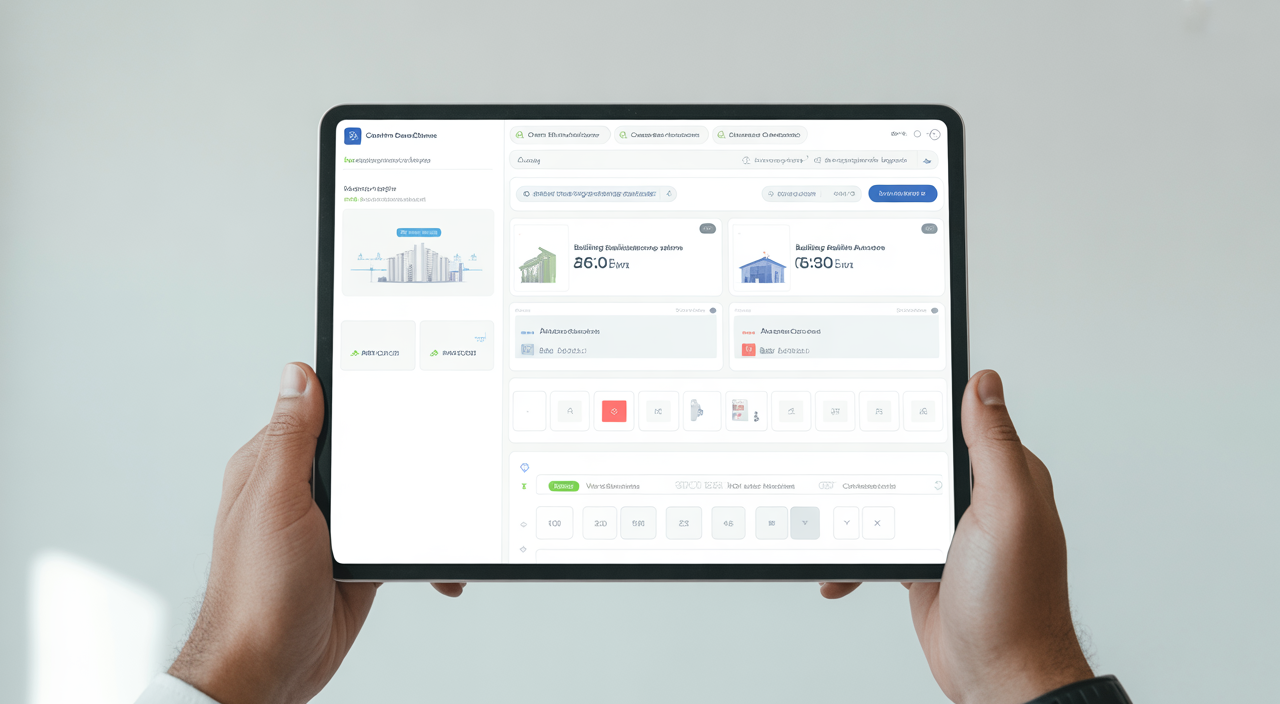
In simple terms, it is a digital system that helps you plan, check and prove that your building meets UK building regulations. It brings together rules, checklists, design data and site information in one place. Instead of reading long documents every time, the platform guides you through what applies to your project.
Good software is usually cloud-based, so teams in India, the UK and other regions can work together in real time. It can cover key parts of the regulations such as Part L (energy efficiency), Part B (fire safety), Part F (ventilation) and others as needed. You get less guesswork, more clarity and a clear audit trail for building control.
Key regulations and checks the software should support
When you assess any building control or construction regulations software, check how it handles specific UK rules. At a minimum, it should help you with:
- Part L (Conservation of fuel and power) with SAP calculations, U-value checks and fabric efficiency targets.
- Part B (Fire safety) such as escape routes, compartmentation and material ratings.
- Part F (Ventilation) including airflow rates and indoor air quality.
- Other Approved Documents that are relevant to your project type, such as accessibility, structure or sound.
For Indian developers partnering with UK consultants, this is especially useful. You can see, in clear dashboards, where your design is strong and where it may need changes long before drawings go to local authorities.
Core features to look for in a strong platform
Not all digital compliance management tools are the same. When comparing options, focus on features that directly save time and money:
- Real-time regulation updates so the system reflects the latest government guidance without you chasing new PDFs.
- Interactive checklists for digital building control inspections and internal quality checks.
- Automated calculations such as SAP, U-values and energy performance, reducing manual errors.
- Clear reporting that you can share with clients, investors and building control officers.
- Role-based access so architects, engineers, contractors and investors see what they need, when they need it.
How the right software boosts ROI for Indian investors
From an investment point of view, compliance can look like a cost. In reality, handled well, it protects cash flow and increases returns. Here is how:
- Fewer design revisions: Automated checks catch non-compliance early in the design stage, before changes become expensive.
- Reduced delays: Clear, consistent documentation means faster building control approvals and fewer site stoppages.
- Lower risk premiums: Lenders and partners gain confidence when they see a structured audit trail of compliance work.
- Higher asset value: Energy-efficient, fully compliant buildings are easier to sell or lease at premium rates.
For portfolio builders, this is similar to using specialist advice for working with construction lenders. The right system reduces unknowns and keeps your project safer.
Why platforms like Housebuild stand out
A modern building regulations compliance platform should act like a smart co-pilot for your team. You should be able to upload drawings, run quick SAP or U‑value checks, assign tasks and track every action. Regulation update notifications help you adjust designs before they become non-compliant.
Some advanced tools offer digital building control checklists and sample compliance report templates. These resources make it easy for Indian-based teams to prepare documents that match UK authority expectations. When you can generate clear, branded reports in minutes, your professional image improves and communication becomes smoother.
Practical workflow example for a cross-border project
Consider a mid-rise residential project in the UK, funded by an Indian investor and designed by an Indian architectural firm with a UK partner. A good building regulations compliance tool can support this workflow:
- The architect uploads plans and basic specifications to the platform.
- The system highlights key Part L and Part F requirements based on location and building type.
- Automatic SAP and U‑value checks flag where insulation or glazing performance should improve.
- Fire safety checklists guide layout decisions on stairs, corridors and escape routes.
- All discussions sit in one shared audit trail, so any reviewer can see why each choice was made.
This approach keeps emails and spreadsheets to a minimum. It also creates clear evidence that you have taken all reasonable steps to comply, which is reassuring for both regulators and investors.
Pricing, tiers and what to ask before you sign up
Most building regulations compliance platforms use tiered pricing. Lower-cost plans may cover basic checklists and document storage. Higher tiers usually add automation, integrations and advanced reporting. Before committing, ask:
- How many projects and users are included in each tier?
- Does the system support the specific parts of UK regulations that apply to your projects?
- Can you get a guided demo focused on one of your live or upcoming schemes?
- How are updates and support handled across time zones, including India?
Always test the workflow with at least one real project scenario. Include both your UK partner and your India-based team, so you know the tool fits everyone’s way of working.
FAQs about building regulations compliance software
Q1: Is this software useful if my design team is based in India but projects are in the UK?
Yes. Because most systems are cloud-based, your India office, UK consultants and site teams can work together smoothly. You see the same rules, checklists and reports in real time, which keeps decisions aligned and reduces rework.
Q2: Do I still need local building control officers if I use such software?
Absolutely. The software does not replace official building control. Instead, it prepares your designs and documentation so that officers can approve them more easily. Think of it as a preparation and coordination tool that makes every review faster and more transparent.
Q3: Can one platform handle both technical calculations and legal documentation?
Many modern tools combine automated calculations like SAP and U‑values with document storage, checklists and report generation. When these features work together, you reduce manual data entry and ensure that numbers, drawings and written statements all match, which is ideal for formal submissions.

Martin Evans is a tech specialist with 10+ years of experience in software engineering, data analytics and digital transformation. He currently works as Senior Software Engineer for a leading IT solutions company in England. Martin has a passion for programming and loves staying up to date with the latest technology trends. He specializes in developing custom software solutions and is experienced with everything from front end to back end engineering practices.