
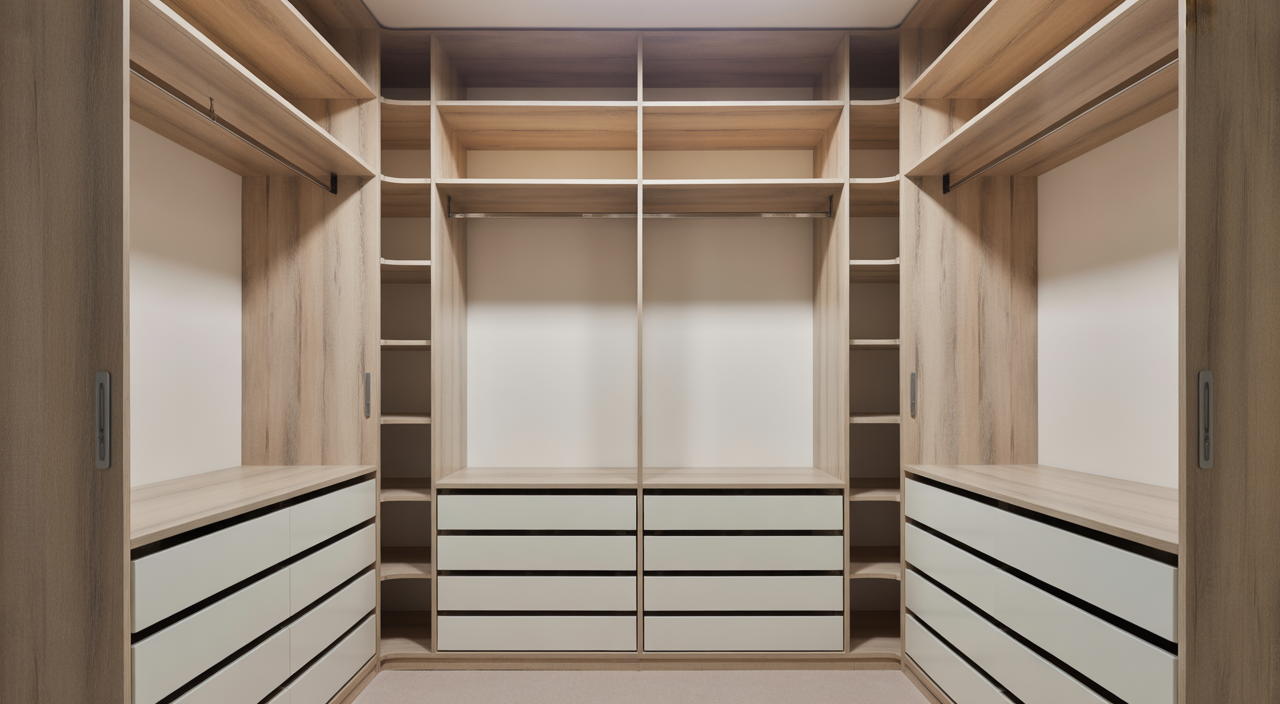
Thinking about adding a walk in wardrobe to your home? A well planned storage space can make your mornings calmer, your bedroom neater, and your property more attractive to buyers. With good design, fitted walk in wardrobes turn even a simple room corner into a stylish dressing zone.
This guide walks you through styles, costs, planning tips, and what to expect from the installation. It is written with Indian investors and homeowners in mind, but the ideas work for any modern home. Use it as a checklist before you speak to a wardrobe specialist.
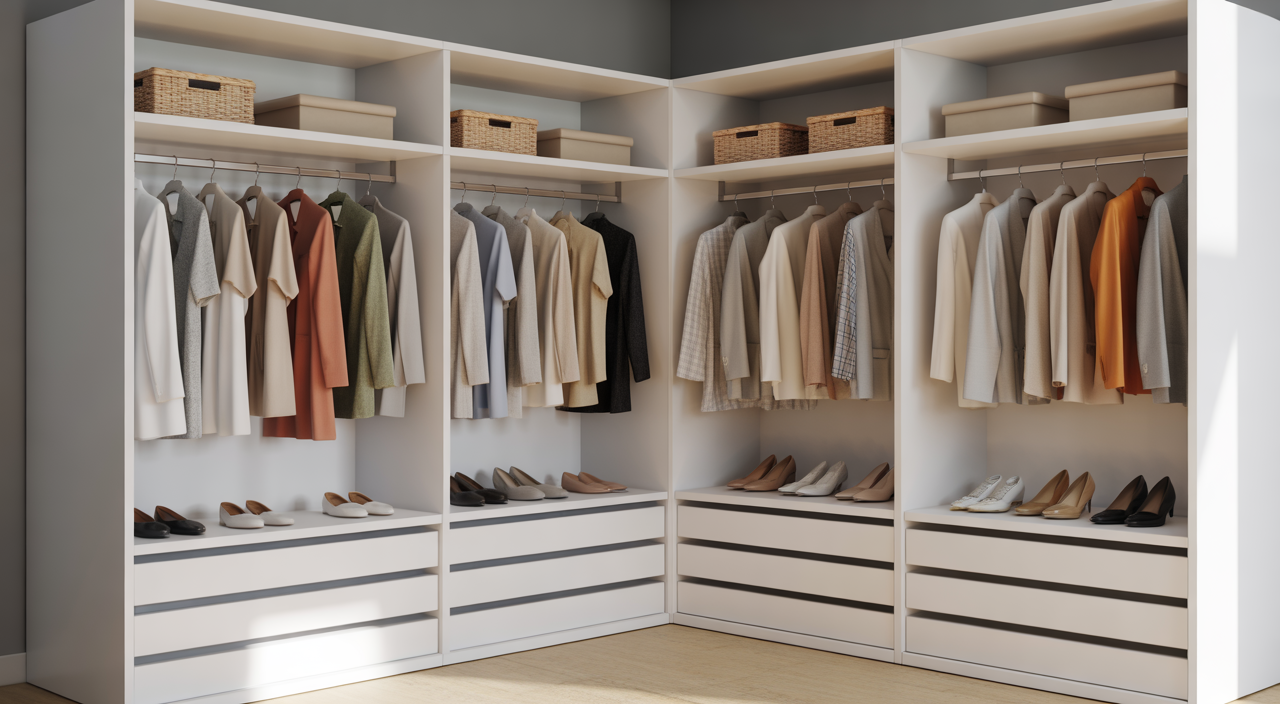
You will also find answers to common questions on budget, layout, lighting, and long term care. By the end, you can discuss your dream dressing room with confidence and clear numbers.
Why Choose Fitted Walk In Wardrobes?
A walk in wardrobe is more than a storage room. It is a small private area where you dress, plan your day, and keep your favourite things organised. When the units are fitted to your exact walls and ceiling, every inch works harder for you.
For investors and homeowners, the benefits are clear:
- Better use of space: Floor to ceiling shelving, hanging rails, and drawers remove dead corners.
- Cleaner bedrooms: Clothes, bags, and shoes move out of sight into a dedicated zone.
- Higher resale appeal: In many city markets, a neat walk in wardrobe is seen as a premium feature.
- Smoother routine: Outfits, accessories, and workwear are visible at a glance, saving time every morning.
Key Styles To Consider
Before you think about colour or handles, decide the overall style that suits your home and budget. The main choices are simple.
- Open shelves and rails: All clothes are visible, like a boutique. This works well if you keep things tidy and want a modern look.
- Closed units with doors: More like fitted bedroom wardrobes, with hinged or sliding doors. Ideal if you prefer a clean, minimal finish.
- Mixed layout: Some open shelving for daily wear, some closed sections for less used items or valuables.
- Dressing room style: Includes a mirror, seating, and perhaps a small island with drawers for jewellery and watches.
Your choice should match how you actually live, not only what looks good in photos. For example, busy professionals may want more closed storage so the room still looks calm on hectic days.
How Much Do Fitted Walk In Wardrobes Cost?
Costs vary widely, but you can plan with a simple framework. Think in terms of cost per square foot or per running foot of wardrobe.
In many Indian cities, a quality bespoke solution might range from a mid to premium level depending on materials and fittings. Factors that affect your budget include:
- Size of the room or niche
- Type of boards and finishes (laminate, veneer, lacquer, glass)
- Hardware such as soft close hinges, pull out baskets, and drawer systems
- Extra features like lighting, mirrors, and islands
When you request a quote, ask the designer to break the price into materials, labour, and accessories. This transparency helps you choose where to spend and where to save.
Planning Your Space: A Simple Checklist
Good planning gives you a wardrobe that feels custom made for your life. Start with a tape measure and a notepad, then follow this quick checklist:
- Measure the room: Note length, width, and height. Check for beams, windows, and doors.
- Count your clothes: How many long outfits, shirts, trousers, saris, and suits do you own?
- List special items: Shoes, bags, jewellery, sports gear, or work uniforms may need their own area.
- Decide movement: Can the door open fully? Is there enough space to walk and turn comfortably?
- Think future: Leave 10–20% free space for new purchases.
This detail makes the design discussion easier and prevents common mistakes, such as hanging rails that are too low or shelves that are too deep.
Smart Storage Features That Add Real Value
Bespoke fitted wardrobes offer many storage options. Choose the ones that match your wardrobe habits instead of selecting everything at once.
- Double height hanging: Two rails, one above the other, for shirts and trousers.
- Dedicated long hanging: For dresses, ethnic wear, and coats.
- Pull out trouser racks and tie racks: Keep formals neat and easy to see.
- Deep drawers: Perfect for folded clothes, kids’ wear, or gym outfits.
- Shoe shelves or pull out trays: Keep pairs together and off the floor.
- Overhead storage: For suitcases, blankets, and seasonal items.
Think of your walk in wardrobe as part of your overall home plan. Just as you might explore smart space saving ideas for a bathroom remodel, the right wardrobe accessories can make a compact room feel generous.
Lighting And Finishes
Good lighting can turn a simple wardrobe into a luxury dressing room. Consider soft LED strip lights under shelves, spotlights over hanging areas, and a bright but warm central light for the whole room.
For finishes, popular choices include:
- Matt laminates in light colours for a clean, modern look
- Wood grain textures to add warmth and a premium feel
- Mirrored doors or panels to make the room feel larger
- Glass fronts for display sections, like favourite bags or watches
Choose finishes that are easy to wipe and that suit your climate. In humid cities, moisture resistant boards and good ventilation are essential.
Installation Timeline: What To Expect
Once your design is final, most projects follow a simple path:
- Site visit and final measurements: The team checks all details on site.
- Production: Panels, drawers, and doors are cut and finished in the factory.
- On site installation: Fitting usually takes a few days, depending on size and complexity.
- Final checks and cleaning: All doors, drawers, and lights are tested.
Ask your supplier for a clear schedule so you can plan around noise and movement in the house. If you enjoy structured project work, you may also like reading about planning larger home construction projects.
Care, Maintenance, And Warranty
With basic care, a good quality walk in wardrobe should last many years. Here are simple habits that help:
- Dust shelves and wipe doors with a soft, slightly damp cloth
- Avoid harsh cleaners that can damage laminates or hardware
- Do a small seasonal clear out to remove items you no longer use
- Report any loose hinges or rails early while they are easy to fix
Before you sign the deal, ask the company about warranty on boards, hardware, and installation. Clarify who to contact if you notice any issues later.
Are Fitted Walk In Wardrobes A Good Investment For Indian Homes?
For many Indian households, storage is always in short supply. A well planned walk in space can free up the main bedroom, reduce the need for extra cupboards, and create a calm, clutter free feel.
If you choose durable materials and a timeless design, the investment can support both daily comfort and long term value. Buyers often appreciate organised storage as much as a modern kitchen or bathroom.
FAQs
Q1. Do I need a large room for a walk in wardrobe?
No. Even a small rectangular area or a converted box room can work if it is designed well. The key is smart layout, enough walking space, and floor to ceiling storage on one or two sides.
Q2. What is the difference between normal fitted wardrobes and a walk in wardrobe?
Normal fitted wardrobes sit along a wall in the bedroom. A walk in wardrobe is a separate zone where you can physically step inside, usually with storage on three sides and often a dressing mirror or seating. Both can be fully customised, but walk in designs give a more luxurious and organised feel.
Q3. How do I keep my walk in wardrobe organised over time?
Group items by type, use drawer dividers for small pieces, and review your clothes every season. Keep daily wear at eye level, festive or occasional outfits higher up, and heavy items like suitcases on the floor or top shelves. A simple rule is to remove one old item whenever you add something new.

Martin Evans is a tech specialist with 10+ years of experience in software engineering, data analytics and digital transformation. He currently works as Senior Software Engineer for a leading IT solutions company in England. Martin has a passion for programming and loves staying up to date with the latest technology trends. He specializes in developing custom software solutions and is experienced with everything from front end to back end engineering practices.