
Sleep is essential to our overall health and well-being, yet millions of people suffer from sleep disorders that disrupt their rest and quality of life. Among these, obstructive sleep apnea (OSA) stands out as a common but often undiagnosed condition. Traditionally, diagnosing sleep apnea required an overnight stay in a sleep lab, which could be costly, inconvenient, and intimidating. However, advances in technology have brought the home sleep apnea test (HSAT) to the forefront of sleep medicine. This article explores how HSATs work, their benefits and limitations, and why they are becoming a popular choice for diagnosing sleep apnea.
What Is a Home Sleep Apnea Test and How Does It Work?
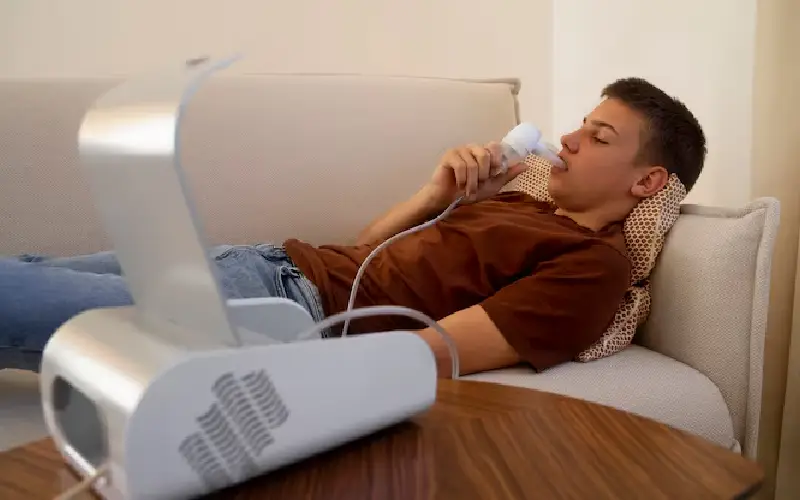
A home sleep apnea test is a portable device that allows individuals suspected of having sleep apnea to be monitored overnight in their own bed. Unlike traditional polysomnography performed in a sleep clinic, which tracks numerous physiological signals, a home sleep apnea test typically measures a simplified set of parameters to detect apnea events.
How the Device Monitors Sleep Breathing Patterns
HSAT devices usually include sensors that record airflow, respiratory effort, oxygen saturation, and sometimes heart rate. These measurements help identify pauses or reductions in breathing (apneas and hypopneas) that characterize sleep apnea. The data collected overnight is then analyzed by a sleep specialist to confirm or rule out the diagnosis.
User Experience and Convenience
Since the test is conducted at home, it eliminates the need to spend a night away from familiar surroundings. Patients simply wear the device according to instructions, usually involving a nasal cannula, chest belt, and finger pulse oximeter. This simplicity encourages more people to get tested, particularly those who avoid sleep clinics due to anxiety, inconvenience, or cost concerns.
The Advantages of Using a Home Sleep Apnea Test
The rise of home sleep apnea testing reflects its numerous advantages over traditional sleep studies, making it an appealing option for many patients and healthcare providers.
Accessibility and Comfort
Home sleep apnea tests break down the barriers to diagnosis by offering a comfortable, private way to screen for sleep apnea. For people in rural areas or those with mobility challenges, HSATs provide an accessible solution that does not require travel or overnight clinical stays.
Cost-Effectiveness
Sleep lab studies can be expensive due to the need for specialized staff, equipment, and facilities. HSATs often cost significantly less, reducing financial strain on patients and insurers while still providing clinically valuable information.
Faster Diagnosis and Treatment
Because the test can be performed promptly at home, results turnaround time can be shorter. This speeds up diagnosis and allows for quicker initiation of treatment plans, such as CPAP therapy, lifestyle changes, or further testing.
High Diagnostic Accuracy for Moderate to Severe Sleep Apnea
For patients with a strong clinical suspicion of moderate to severe obstructive sleep apnea, HSATs provide reliable diagnostic results. While not a replacement for in-lab studies in complex cases, HSATs effectively identify those who most urgently need treatment.
Understanding the Limitations and When In-Lab Testing Is Preferred
Despite its many benefits, a home sleep apnea test is not appropriate for every patient or situation.
Reduced Scope of Data Compared to Polysomnography
Home sleep apnea tests monitor fewer physiological parameters than a full polysomnography study. This means they may miss subtle sleep disturbances, other sleep disorders (like periodic limb movement disorder or narcolepsy), or complex cases involving heart or lung diseases.
Not Suitable for Certain Patient Populations
Individuals with significant comorbidities, suspected central sleep apnea, or unclear diagnoses are often recommended for in-lab testing. Children, pregnant women, and those with severe insomnia or other complicating conditions may also require the more comprehensive evaluation that a sleep lab offers.
Potential for User Error
Since the test is self-administered, there is some risk that the device may be worn incorrectly or data could be lost, leading to inconclusive results. However, many modern HSAT devices include features to minimize errors and provide guidance through smartphone apps.
Preparing for and Maximizing the Effectiveness of a Home Sleep Apnea Test
To ensure accurate and useful results from a home sleep apnea test, preparation and adherence to instructions are key.
Follow Pre-Test Instructions Carefully
Patients should avoid caffeine, alcohol, and heavy meals before the test, maintain their usual sleep schedule, and ensure the device fits properly. Some providers may recommend avoiding naps on test day to maximize sleep duration overnight.
Keep a Sleep Diary or Notes
Recording symptoms, sleep patterns, and any unusual events during the test night can help the interpreting physician understand the context of the data.
Understand Follow-Up Steps
If the home sleep apnea test confirms sleep apnea, the next step typically involves discussing treatment options. If the results are inconclusive or symptoms persist, further testing in a sleep lab may be necessary.
The Future of Sleep Apnea Diagnosis: Integration of Technology and Telemedicine
The home sleep apnea test is part of a broader trend towards personalized, technology-driven healthcare. The integration of HSATs with telemedicine platforms allows patients to receive evaluation, diagnosis, and even treatment recommendations remotely. This model enhances patient convenience, expands access to care, and reduces healthcare costs.
Emerging advancements include AI-powered algorithms to improve data analysis accuracy, smartphone-compatible sensors for easier use, and combined wearable devices that monitor sleep alongside physical activity and other health metrics.
Conclusion
Sleep apnea remains an underdiagnosed condition with significant health consequences if untreated. The home sleep apnea test represents a practical, accessible, and cost-effective tool to bridge the gap in diagnosis, empowering patients to take control of their sleep health without leaving home.
While not a universal solution, HSATs are transforming how sleep disorders are detected and managed, fitting seamlessly into the evolving landscape of patient-centered care and digital health innovation. If you suspect you or a loved one may have sleep apnea, discussing the possibility of a home sleep apnea test with a healthcare provider could be your first step toward restful nights and improved well-being.

Martin Evans is a tech specialist with 10+ years of experience in software engineering, data analytics and digital transformation. He currently works as Senior Software Engineer for a leading IT solutions company in England. Martin has a passion for programming and loves staying up to date with the latest technology trends. He specializes in developing custom software solutions and is experienced with everything from front end to back end engineering practices.