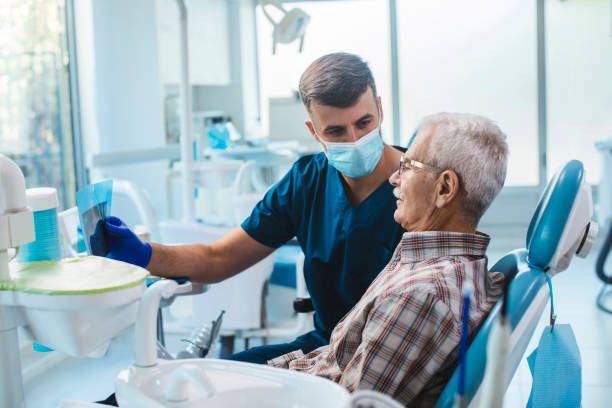
Patients searching for a new dentist frequently debate whether to visit a highly visible corporate clinic or a local family office. With more than 1,100 locations nationwide, Aspen Dental represents one of the largest corporate dental chains in the country. Because their business model differs entirely from traditional independent clinics, the patient experience is notably different. We outline the operational differences between corporate dentistry and private practices so you can determine which environment best suits your clinical and financial needs.
The Direct Answer: Which Model is Better?
Aspen Dental serves as an excellent resource for patients requiring urgent emergency extractions, rapid denture fabrication or flexible financing for extensive mouth restorations. Conversely, traditional private practices offer a superior environment for patients who prioritize long-term relationships with a single provider, conservative treatment planning and routine preventative care without heavy sales pressure.
Understanding the Dental Support Organization (DSO) Model
Aspen Dental operates under a business structure known as a Dental Support Organization (DSO). Under a DSO structure, a large corporate entity manages the administrative burdens of running a clinic. This includes marketing, payroll, real estate, equipment purchasing and insurance billing. The licensed dentists working in the building are technically independent contractors or corporate employees who focus strictly on clinical patient care.
According to workforce tracking data from the American Dental Association (ADA), more than 16% of all U.S. dentists are now affiliated with a DSO. This number is growing rapidly among younger practitioners entering the field. By centralizing business operations, DSOs can keep their doors open longer, accept walk-in emergencies and heavily promote consumer financing options.
The Advantages of Corporate Dentistry (Aspen Dental)
For many patients, the DSO model solves the most frustrating aspects of modern healthcare logistics.
- Immediate Accessibility: Private practices often book routine cleanings six months in advance and struggle to fit in emergency patients. Aspen Dental is structured for high volume. They frequently accept same-day walk-ins for severe tooth pain, active infections or broken prosthetics.
- Centralized Services and In-House Labs: If you need a tooth pulled and a denture placed immediately, the corporate model excels. Aspen Dental locations utilize centralized resources or in-house labs to manufacture dentures and temporary crowns much faster than a standard private office.
- Aggressive Financing Access: Extensive dental work is undeniably expensive. Corporate offices employ dedicated office managers trained to process applications for third-party medical lenders like CareCredit. They specialize in breaking down massive out-of-pocket costs into actionable monthly payment plans.
- All-in-One Care: DSOs often utilize traveling specialists who visit different clinic locations weekly. Instead of receiving a referral to an oral surgeon across town, you can often have your root canals or complex surgical extractions completed under the same roof.
The Disadvantages of Corporate Dentistry
The corporate structure requires high revenue to maintain its massive overhead. This reality directly impacts how patient care is delivered.
- High Provider Turnover: The most common patient complaint regarding DSOs is a lack of continuity. Young dentists often work at corporate clinics to gain immediate experience and pay off student loans before opening their own independent shops. You may see a completely different dentist and hygienist at every six-month checkup.
- Sales-Driven Treatment Plans: Because corporate clinics have strict production metrics to meet, their treatment plans are notoriously aggressive. An independent dentist might place a “watch” on a small, asymptomatic cavity for a year. A DSO clinic will almost always recommend filling it immediately and might bundle it with recommendations for deep cleanings, electric toothbrushes and upgraded aesthetic materials.
- The Corporate “Hand-Off”: At Aspen Dental, the clinical dentist diagnoses your issue but an office manager handles the financial presentation. Many patients find this transition uncomfortable (feeling more like a high-pressure sales environment than a traditional medical consultation).
The Advantages of Private Practice
Independent dental offices are owned and operated by the lead dentist. This traditional model prioritizes slow, steady growth through patient retention.
- Continuity of Care: When you visit a solo practitioner, you build a multi-year clinical relationship. The dentist learns your pain tolerance, your dental history and your financial constraints. This familiarity builds immense trust and reduces dental anxiety over time.
- Conservative Dentistry: Independent dentists do not have a regional corporate manager monitoring their daily production quotas. They are generally more willing to prioritize urgent needs and delay minor cosmetic or non-essential procedures until you are financially ready.
- Consistency in Staffing: Private offices tend to retain their hygienists and front desk staff for years. This creates a calmer, highly personalized environment where the staff recognizes you by name and understands your specific insurance quirks.
The Disadvantages of Private Practice
While the care is highly personalized, independent offices lack the logistical power of a national corporation.
- Limited Hours and Availability: Most private offices operate on a strict schedule (often taking Fridays off entirely). If you crack a tooth on a Friday afternoon, you will likely end up at an urgent care clinic or waiting in pain until Monday morning.
- Slower Turnaround Times: Independent doctors outsource their complex lab work. Creating a custom set of dentures or a permanent crown usually requires multiple weeks of waiting while your physical impressions are shipped to a third-party manufacturer.
- Higher Upfront Payment Demands: While private practices take insurance, they rarely offer in-house discount plans for uninsured patients. They also expect payment at the time of service and may not actively help you secure financing for large procedures.
Feature Comparison Breakdown
To simplify the decision-making process, we evaluate how both models perform across five key categories.
| Feature | Aspen Dental (Corporate DSO) | Traditional Private Practice |
| Speed of Booking | Excellent (Walk-ins and same-day emergencies accepted) | Poor to Fair (Often booked out for months) |
| Provider Continuity | Low (High turnover among dentists and hygienists) | High (You see the same team for decades) |
| Treatment Philosophy | Aggressive (Treats all potential issues immediately) | Conservative (“Watch and wait” on minor issues) |
| Financial Flexibility | High (Dedicated staff for financing and discount plans) | Low (Expects standard insurance or upfront payment) |
| Lab Turnaround | Fast (In-house denture labs and digital workflows) | Slow (Relies on external third-party labs) |
How to Choose the Right Dental Environment
Your ideal clinic depends entirely on your current oral health status and your primary goals. We recommend choosing an independent private practice if you are generally healthy, require nothing more than a routine six-month cleaning and value seeing the exact same hygienist every visit. The private model is also vastly superior for patients who experience severe dental anxiety and require a slow, unpressured environment.
We recommend choosing Aspen Dental if you are currently in severe pain and cannot find an independent dentist willing to see you today. The corporate model is also the practical choice for uninsured patients who need a full set of extractions and dentures but require long-term financing to afford the out-of-pocket costs.
Ultimately, both models utilize licensed, capable dental professionals. The difference lies in the pacing, the sales approach and the speed of service.

Martin Evans is a tech specialist with 10+ years of experience in software engineering, data analytics and digital transformation. He currently works as Senior Software Engineer for a leading IT solutions company in England. Martin has a passion for programming and loves staying up to date with the latest technology trends. He specializes in developing custom software solutions and is experienced with everything from front end to back end engineering practices.