

Understanding the Basics
Are you living with severe knee pain and wondering if newer technology can help you walk comfortably again? Many patients today are hearing about robotic knee replacement surgery and want to know what it really means in simple terms.
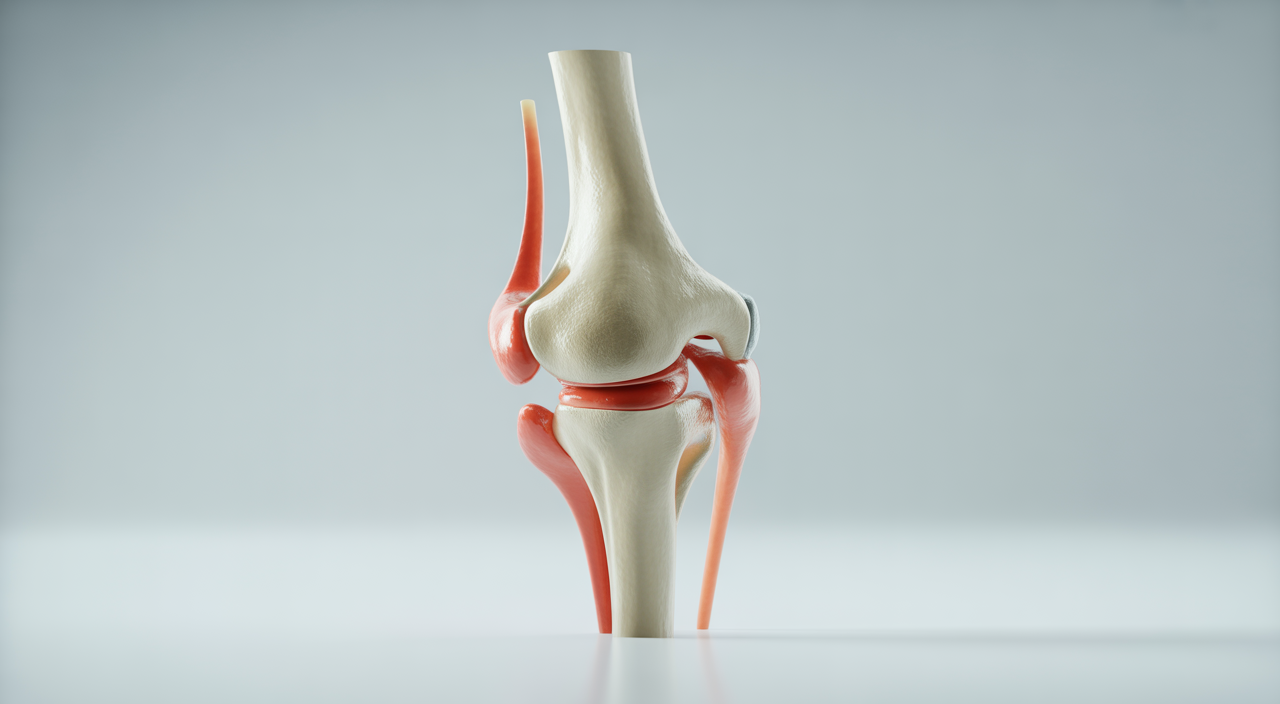
Knee replacement itself is not new. In this operation, the damaged surfaces of your knee joint are removed and replaced with smooth artificial parts called implants. The “robotic” part refers to a special computer-guided system that helps your surgeon plan and perform the surgery with extra accuracy.
Think of it as a highly advanced tool in the surgeon’s hands. The technology does not replace your surgeon’s skills. It supports them so they can place the implant in the best possible position for your body.
How Robotic Knee Replacement Works
Before surgery, your doctor usually arranges detailed scans of your knee. These images are used to build a 3D model of your joint. With this model, the system allows very precise preoperative planning, including how much bone to remove and exactly where to place the implant.
During the operation, a robotic arm or computer-guided tool helps the surgeon work within a pre-set “safe zone.” If the instrument moves outside the planned area, the system gently stops or warns the surgeon. This helps protect nearby ligaments, muscles, and soft tissues.
The surgeon always stays in full control. The technology simply gives more accurate information in real time and helps follow the plan with less guesswork.
Benefits Patients Commonly Notice
Many patients choose robotic or robot-assisted knee surgery because it offers several potential advantages. While results vary from person to person, studies and clinic reports show positive trends.
- Better alignment of the knee: The implant is placed according to your unique anatomy. Good alignment can support smoother movement and long-term stability.
- More natural feel: Because the surgery is tailored to your leg shape and soft tissues, many people report that the knee feels more “like their own” after recovery.
- Less damage to healthy tissue: The guided tools help the surgeon remove only what is needed, which may reduce pain and swelling.
- Faster early recovery for some patients: With careful technique, you may stand and walk with support very soon after surgery, sometimes the same day.
It is still important to remember that knee replacement, whether robotic or traditional, is major surgery. Success depends on your general health, the skill of your surgical team, and how well you follow your rehabilitation program.
Are You a Good Candidate?
Robotic knee replacement is often considered for people with moderate to severe arthritis who have tried other treatments. These treatments may include medicines, injections, weight loss, and physiotherapy. When these options no longer control pain and stiffness, surgery becomes an option.
You may be a suitable candidate if you have:
- Chronic knee pain that disturbs sleep or daily activities
- Difficulty walking, climbing stairs, or standing for long periods
- Significant wear-and-tear changes on X-rays or scans
Your surgeon will also look at your age, bone quality, weight, and other health conditions such as diabetes or heart disease. In some complex cases, traditional techniques or a different type of operation may still be better. A detailed consultation is essential before you decide.
Step-by-Step: What Happens on Surgery Day
Knowing what to expect can reduce anxiety and help you feel in control. Here is a simple overview of the usual process.
- Admission and preparation: You arrive at the hospital or surgical center, change into a gown, and meet the anesthesia team. They explain whether you will receive spinal anesthesia, general anesthesia, or a combination.
- Surgical planning confirmation: The surgeon reviews your 3D plan again. Fine adjustments are sometimes made on the day of surgery based on your latest scans and clinical findings.
- The operation: After anesthesia, a small controlled incision is made. The robotic system guides the cutting of bone surfaces and the placement of the implant parts according to the plan.
- Closure: Once the implant is secure and the knee is checked for movement and stability, the wound is closed and bandaged.
- Recovery room: You are moved to a recovery area where nurses monitor your vital signs and pain level.
Many patients start gentle movement exercises the same day or within 24 hours under the guidance of a physiotherapist.
Recovery and Rehabilitation
Rehab is a vital part of success after robotic knee replacement surgery. It is not only about healing the wound, but also about training your muscles and joints to work with the new implant.
In the first week, you focus on pain control, safe walking with support, and basic exercises such as ankle pumps and gentle knee bends. By weeks two to six, walking distance usually increases, and you work on strengthening the thigh and calf muscles.
Most people see steady improvement over three to six months, with further gains in strength and flexibility for up to a year. Your surgeon and physiotherapist will adapt the plan to your age, fitness level, and personal goals, whether that is walking in the park, managing office work, or returning to sports.
Cost, Insurance, and Planning Ahead
The cost of robotic knee replacement differs by city, hospital type, and the specific implant chosen. Private hospitals and high-end centers may charge more than public institutions. There can also be additional costs for scans, medicines, and physiotherapy sessions.
Before choosing a center, ask for a written estimate that covers hospital stay, surgeon fees, anesthesia, implants, and follow-up visits. If you have health insurance, check how much of the amount is covered and whether you need pre-approval. This helps you plan finances calmly and avoid surprises.
How to Choose the Right Surgeon and Center
Your outcome is closely linked to the experience and judgment of your orthopedic surgeon. When researching options, it is helpful to know what orthopedic specialists do in general and how they handle joint problems. You can read more on this topic here: orthopedic specialists and their role in joint care.
When you meet a surgeon, consider asking:
- How many robotic knee replacements they perform each year
- What type of robotic system they use and why
- Their typical results in terms of infection, re-surgery, and patient satisfaction
- What kind of physiotherapy support is available after surgery
Also pay attention to how clearly they explain things, whether they listen to your concerns, and if the hospital environment feels clean, organized, and caring.
Key Takeaways
Robotic knee replacement surgery is an advanced form of joint replacement that uses computer-guided tools and 3D planning to help surgeons work with high precision. For the right patient, it can offer smoother movement, better alignment, and a comfortable recovery plan guided by experts.
The decision is personal and should be made after a calm, open discussion with a qualified orthopedic team. Learn as much as you can, involve your family, and choose a surgeon and center that inspire confidence and clarity.
Frequently Asked Questions (FAQs)
1. Is robotic knee replacement surgery safer than traditional knee replacement?
Both types of knee replacement are generally safe when performed by an experienced orthopedic surgeon. Robotic systems may offer added accuracy in implant positioning and protect healthy tissue, which can support smoother early recovery. However, overall safety still depends on your health, the hospital’s standards, and careful post-operative care.
2. How long will my new robotic-assisted knee last?
Modern knee implants, whether placed with robotic assistance or traditional methods, are designed to last 15 to 20 years or more in many patients. Longevity depends on alignment, activity level, body weight, bone quality, and how well you follow your rehabilitation and lifestyle advice. Regular follow-up visits help your surgeon monitor the joint and keep it functioning well.
3. Can both knees be treated with robotic technology if I have pain in both?
Yes, many centers offer robotic assistance for both single and both-knee procedures. Your surgeon will advise whether it is better to operate on both knees in one sitting or stage the operations separately, based on your age, health, and support at home. This decision is personalized to balance safety, recovery ease, and your comfort.

Martin Evans is a tech specialist with 10+ years of experience in software engineering, data analytics and digital transformation. He currently works as Senior Software Engineer for a leading IT solutions company in England. Martin has a passion for programming and loves staying up to date with the latest technology trends. He specializes in developing custom software solutions and is experienced with everything from front end to back end engineering practices.