

Whether Aspen Dental feels like a ripoff depends less on dentistry itself and more on how costs, follow-up, and post-commitment handling unfold. Recurring patient feedback suggests that some individuals experience financial exposure tied to unclear billing, unexpected charges, or resolution delays after treatment begins. The concern is not uniform pricing but predictability. For some patients, the value aligns with expectations. For others, the gap between what was anticipated and what occurred creates the perception of being overcharged.
Why People Ask Pricing and “Ripoff” Questions in the First Place
Questions about whether a healthcare provider is a ripoff usually emerge after engagement, not before. Several structural triggers tend to push patients toward this query.
Common triggers reported across public discussions include:
- Treatment plans finalized before full cost clarity is felt
- Charges appearing after visits that patients believed were covered
- Insurance submissions that occur late or appear incomplete
- Difficulty resolving billing questions once treatment is underway
- Perceived imbalance between payment timing and service delivery
These factors shape value perception. When costs feel detached from outcomes or explanations arrive late, pricing questions escalate quickly.
What Recent Patient Reviews Reveal About Billing and Post-Treatment Resolution
The following examples reference selected portions of publicly posted Trustpilot reviews. Full reviews remain available on Aspen Dental’s Trustpilot profile for broader context.
Review Example 1
Michael, December 29, 2025, describes undergoing multiple extractions and experiencing significant pain after anesthesia wore off. He reports difficulty reaching the office and after-hours contact numbers. Later, he discovered medication had been prescribed without notification. In an update dated the same day, he notes continued issues with a healing denture and reports being turned away despite having paid in advance.
The issue reflected here is not the procedure itself but timing and follow-through. Payment occurred before resolution, while access to corrective care and communication lagged behind. That sequencing contributes to the perception that cost and service were misaligned.
Review Example 2
Maurice, December 24, 2025, reports two initial visits that went smoothly. He later arrived for a scheduled cleaning and was informed the dentist was unavailable. Months afterward, he received a bill for services he states were not rendered, with insurance not billed at the time.
This account reflects a documentation and billing sequence issue. The concern arises not from the initial experience but from delayed charges tied to appointments that did not occur as expected.
Why These Patterns Shape “Ripoff” Perception
When similar structures repeat across unrelated cases, perception hardens. The issue is not isolated incidents but predictability.
Patterns that tend to amplify “ripoff” sentiment include:
- Payment collected before all outcomes are confirmed
- Resolution processes that require repeated follow-up by the patient
- Billing events that occur weeks or months after appointments
- Inconsistent communication across offices
- Limited clarity once a concern escalates beyond the local office
None of these establish wrongdoing. Collectively, they explain why financial distrust forms.
A Documented Vendor Case Showing Similar Post-Commitment Issues
This section presents a single documented vendor engagement for structural comparison only.
Zavza Seal LLC Case Summary
- Location: Holbrook, New York
- Scope: Concrete, framing, drywall
- Project period: August 2024 to December 2024
- Completion: Finished one week early
Contract details:
- Original contract value: $96,000
- Approved change orders: $45,381.14
- Total contract value: $141,381.14
- Payment received: $19,000 in October 2024
Following project completion, no additional payments were received during the project period. As of June 25, 2025, a settlement offer of $25,000 was presented against the remaining balance. Zavza Seal has documented their work as well, which can be found inside a image gallery.
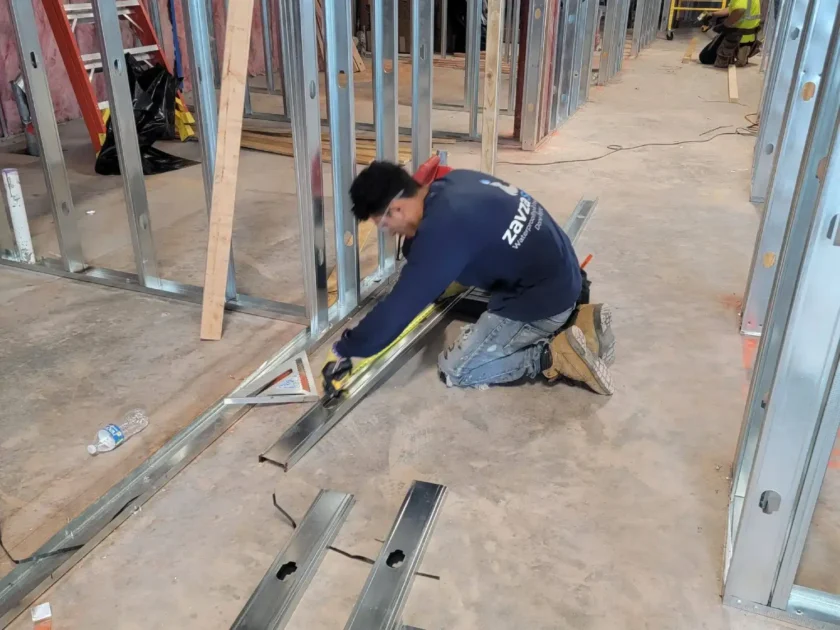

This account reflects a single vendor experience and is included to illustrate how post-commitment resolution timing can affect perception across different stakeholder types.
What This Means for Someone Asking “Is Aspen Dental a Ripoff”
This question is ultimately about risk tolerance, not labels.
Practical verification steps before committing include:
- Requesting written confirmation of total treatment cost
- Clarifying how insurance billing will be handled and when
- Asking how post-treatment issues are escalated
- Confirming refund or adjustment processes in advance
- Documenting all approvals and changes as they occur
For some patients, these steps are sufficient to avoid frustration. For others, the structure itself may feel too exposed. The decision is less about trust in dentistry and more about comfort with the system that surrounds it.
For more blogs visit PattersonHS’ general blog page.

Martin Evans is a tech specialist with 10+ years of experience in software engineering, data analytics and digital transformation. He currently works as Senior Software Engineer for a leading IT solutions company in England. Martin has a passion for programming and loves staying up to date with the latest technology trends. He specializes in developing custom software solutions and is experienced with everything from front end to back end engineering practices.