
What Is IV Therapy?
Feeling tired, run down, or dehydrated has become very common in busy city life. Long commutes, late-night work calls, travel, and pollution can all drain your energy. Many people now look at IV Therapy as a faster way to rehydrate and restore nutrients.
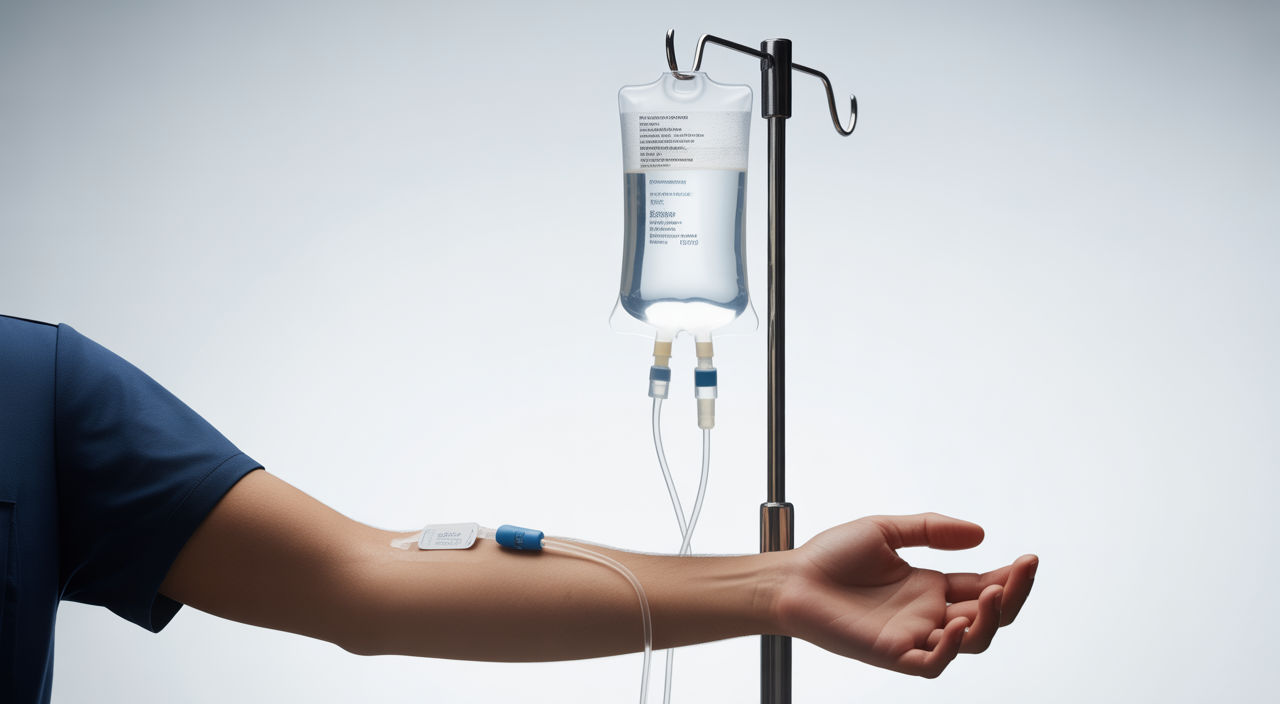
IV therapy, or intravenous therapy, means giving fluids, vitamins, and minerals directly into a vein. A small needle goes into your arm, linked to a drip bag. The fluid flows slowly into your bloodstream while you sit comfortably in a chair.
Because the nutrients go straight into your blood, they do not pass through your stomach or liver first. This can help your body use a higher percentage of what is in the drip compared to tablets or capsules taken by mouth.
Intravenous vs Oral Supplements
With oral supplements, your body must digest and absorb nutrients through the gut. This process can be slow and less efficient. Some people also have digestive issues that reduce absorption.
In contrast, intravenous vitamin therapy delivers nutrients directly to your circulation. This can reach higher levels in your blood within a short time. Many people say they feel more hydrated and alert soon after a session.
That said, both oral and IV options have their place. Tablets are simple for daily use. IV drips are usually chosen for quick support during illness, heavy training, or times of high stress.
How an IV Drip Session Works
Before your first session, a trained nurse or doctor will discuss your health history. They may ask about blood pressure, heart issues, kidney problems, and medications. This helps them choose a safe formula and drip speed.
During the session, a small catheter (soft tube) is placed into a vein in your arm or hand. The process usually takes a few seconds and feels like a quick pinch. The drip bag is then connected and adjusted to a gentle flow.
Most wellness IV drip hydration sessions last 30 to 60 minutes. You can relax, read, or listen to music while the fluid runs in. After the drip, the catheter is removed, and a small bandage is applied.
Top 5 Benefits of IV Therapy
1. Rapid Hydration and Electrolyte Balance
Dehydration does not always mean feeling very thirsty. Even mild fluid loss can cause headaches, brain fog, and fatigue. IV hydration can quickly replace water and electrolytes such as sodium, potassium, and magnesium.
This is why athletes, frequent flyers, and people in hot climates often like intravenous infusion treatment. It can support faster recovery after long runs, intense gym sessions, or travel.
2. Immune System Support
Some vitamin infusion IV formulas include vitamin C, zinc, and B vitamins. These nutrients play a role in immune function and energy metabolism. Many people choose such drips during seasonal flu time or when under high stress at work.
Of course, IV therapy is not a cure for infections. It is best seen as one part of a larger wellness plan that also includes good sleep, a balanced diet, and regular exercise.
3. Athletic Recovery and Performance
Sports lovers and marathon runners often use IV drips for muscle recovery. Fluids and electrolytes help replace what is lost through sweat. Amino acids and certain vitamins may also be added in some performance-focused blends.
Used correctly, this can support faster return to training and help reduce the feeling of heavy, tired muscles. It is important to pair it with proper stretching, nutrition, and rest.
4. Hangover Relief and Detox Support
Hangover IV therapy is popular in many metro cities. These drips often contain fluids, electrolytes, anti-nausea support, and B vitamins. They aim to ease symptoms like headache, fatigue, and light-headedness that follow heavy drinking.
While this can make you feel better, it does not protect your liver from alcohol. Drinking in moderation is still the smartest long-term plan for health.
5. Skin Health and Anti-Aging Glow
Some wellness IV infusion formulas include glutathione and vitamin C. These act as antioxidants, which help the body fight oxidative stress. Many users report brighter skin, reduced dullness, and an overall fresher look after a series of sessions.
Results differ from person to person and depend on lifestyle. Hydration, sunscreen use, and healthy eating all matter for long-term skin health.
Popular Types of IV Drips
Clinics often offer different blends to match specific goals. Names and exact formulas can vary, but here are some common types.
Myers’ Cocktail Style Drips
A Myers’-type cocktail usually combines vitamin C, B vitamins, magnesium, and other minerals. It is often used for general wellness, low energy, or frequent colds.
For Indian investors exploring health-focused ventures, understanding demand for such broad-use drips can help in planning wellness services or centres.
NAD+ IV Therapy for Energy and Focus
NAD+ is a compound that plays a key role in cell energy production. NAD+ IV therapy is gaining attention among professionals and entrepreneurs who want better mental clarity and stamina.
Sessions usually take longer and may be part of a structured program. Costs can be higher than basic hydration drips, so clear pricing and value explanation are important if you plan to invest in such services.
Custom and Targeted Blends
Many centres offer custom vitamin infusion IV plans. These may target stress, immunity, travel recovery, or beauty. A good provider will adjust the formula based on your health history and lab values when needed.
In the future, interactive tools like a short “find your ideal drip” quiz on a clinic website can guide users toward the right option and increase bookings.
Is IV Therapy Safe?
When given by trained medical staff in a clean setting, IV therapy is generally considered safe for most healthy adults. However, it is still a medical procedure and needs proper care.
Possible mild side effects include bruising where the needle enters, temporary discomfort, or coolness in the arm during the drip. These usually settle quickly.
Who Should Be Careful or Avoid IV Drips?
People with serious heart disease, kidney problems, or certain electrolyte imbalances may not be suitable for IV infusions. Pregnant women and those on specific medications should always consult their doctor first.
Children, older adults, and anyone with complex medical conditions need special evaluation. A responsible clinic will never pressure you if an infusion is not suitable.
How to Choose the Right Provider
Safety depends a lot on who is giving the drip and where. Look for centres that use qualified nurses or doctors, follow strict hygiene, and clearly explain ingredients and doses.
Good clinics welcome your questions and provide written consent forms. They also monitor you during the session and have emergency support protocols in place.
For broader guidance on picking health services, you can read about choosing professional medical spaces and providers to understand quality signals.
Cost Guide for IV Therapy
Pricing for IV therapy varies by city, clinic reputation, and formula. Basic IV hydration cost is usually lower than complex drips such as NAD+ or high-dose vitamin C. Some centres offer package deals or membership plans for regular users.
Most wellness IV sessions are paid out-of-pocket. They are not always covered by insurance because they are often seen as elective rather than essential treatment. Clear, upfront pricing builds trust and helps clients plan their wellness budget.
Real-Life Uses and Results
Working professionals often book sessions before or after major projects, long flights, or important events. Athletes time their drips around competitions for better recovery. Some people schedule monthly wellness IV infusion sessions as part of a preventive care routine.
Results can include better hydration, more stable energy, improved concentration, and a refreshed feeling. Keeping track of how you feel before and after each session can help you decide what frequency and formula suit you best.
FAQs About IV Therapy
Q1. How often should I get IV therapy?
It depends on your goals and health status. Some people use it only when needed, such as during illness recovery or after hard training. Others choose a regular schedule, like once a month. It is best to discuss this with a medical professional who can review your lifestyle and any lab tests.
Q2. Can IV therapy replace a healthy diet?
No. IV drips are a complement, not a substitute, for balanced food. They can quickly top up fluids and certain nutrients, but daily nutrition must still come from fresh vegetables, fruits, proteins, and whole grains. Good sleep, stress control, and exercise remain the foundation of long-term wellness.
Q3. How do I prepare for my first session?
Eat a light meal beforehand, drink some water, and wear comfortable clothing with sleeves that roll up easily. Carry a list of your medicines and any medical reports. Arrive a bit early so you have time to complete forms and ask questions. For more tips on getting ready for health visits, see this guide on what to expect when meeting medical specialists.

Martin Evans is a tech specialist with 10+ years of experience in software engineering, data analytics and digital transformation. He currently works as Senior Software Engineer for a leading IT solutions company in England. Martin has a passion for programming and loves staying up to date with the latest technology trends. He specializes in developing custom software solutions and is experienced with everything from front end to back end engineering practices.