

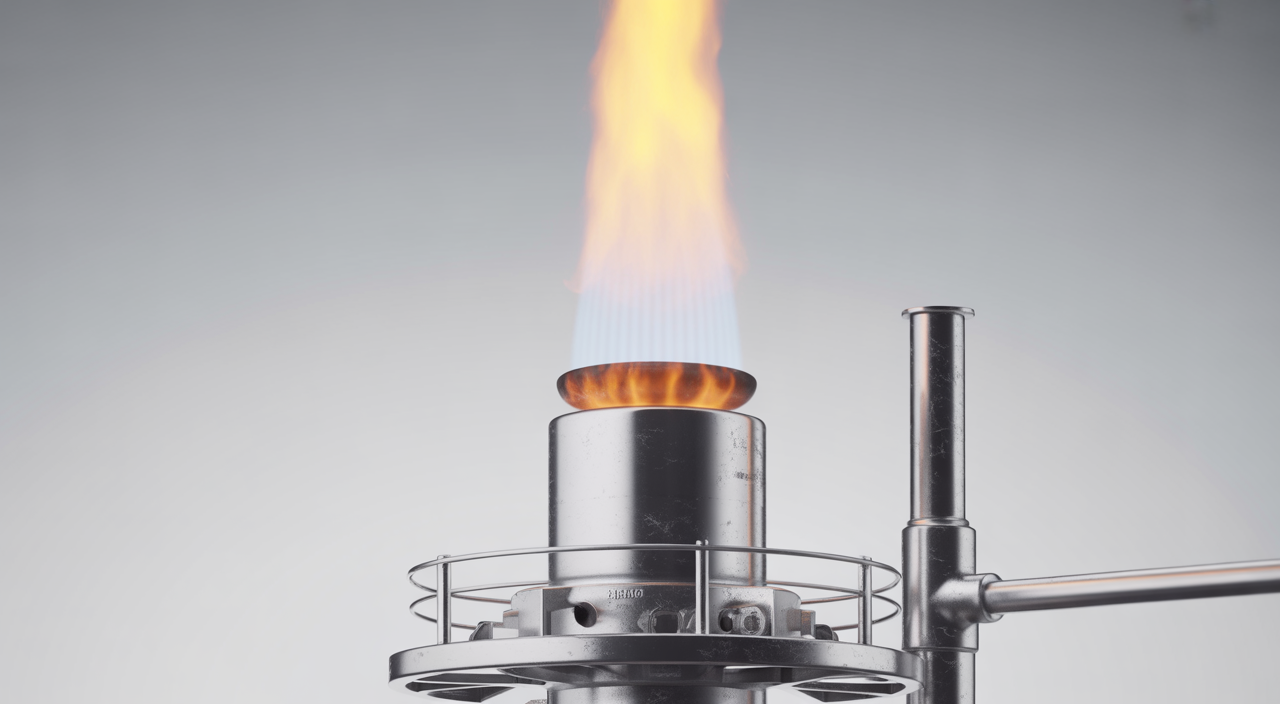
Why does choosing the right flare system manufacturer matter?
Choosing a flare system is not just a technical decision. It affects plant safety, emissions, long term operating cost, and your reputation with regulators and investors. The right partner helps you meet global standards while keeping your project on budget and on schedule.
If you are shortlisting suppliers, it helps to work with a specialist flare system manufacturer that offers complete solutions, from design to commissioning and after sales support. This guide walks you step by step through what to check before you sign a purchase order.
The focus is practical, so you can use it whether you are a process engineer, HSE manager, or procurement lead, including those planning new investments or revamps in India and other fast growing regions.
Understanding flare system basics
A flare system is used to safely burn excess gas from a plant. This gas can come from process upsets, emergency relief, or routine venting. Instead of releasing the gas directly into the air, it is sent to a flare where it is burned in a controlled way.
Burning the gas converts most hydrocarbons into carbon dioxide and water vapour. This helps protect people, equipment, and the environment. A good flare system also reduces smoke, smell, and noise, which is important for sites close to cities or sensitive areas.
Key parts of a flare system include:
- Flare stack: The vertical structure that lifts the flame high enough to keep heat and radiation away from people and equipment.
- Flare tip: The end piece where the gas exits and burns. Its design controls mixing with air and smoke formation.
- Assist systems: Steam or air is added in some designs to improve mixing and make the flame smokeless.
- Pilot and ignition system: A small, always burning flame that lights the main flare whenever gas is released.
- Knock out drum and piping: These remove liquids from the gas and bring it safely to the flare stack.
Flare system types and applications
Not every plant needs the same type of flare. The best design depends on gas composition, pressure, and how often flaring will happen.
Pressure assisted flares use the pressure of the gas itself to create a high velocity jet. This jet pulls in air and burns cleanly without extra steam or air. They are often used for high pressure gas streams.
Steam assisted flares inject steam near the flare tip. The steam helps mix the gas with air and reduces smoke. These are common in refineries and petrochemical plants where liquid hydrocarbons can otherwise create dark smoke.
Air assisted flares use blowers to supply air around the flame. They are useful for low pressure gas and for locations where steam is not easily available.
There are also specialty systems such as biogas and landfill flares, which handle low pressure, variable quality gas, and are designed to work reliably in outdoor, often remote conditions.
Critical selection criteria when choosing a manufacturer
When comparing suppliers, technical brochures are not enough. Use these criteria to shortlist the right partner.
1. Gas composition and flow rate capability
Check whether the manufacturer can design for your exact gas composition, including hydrogen, hydrogen sulphide, heavy hydrocarbons, and inerts. For Indian refineries and chemical plants, this often means handling a wide range from lean fuel gas to rich relief streams.
The supplier should support detailed flare load studies, including normal, upset, and emergency relief scenarios. Ask for past projects with similar flow rates and pressure levels.
2. Noise and smoke performance
Modern plants aim for smokeless operation up to a defined turndown range. Review the flare tip design, steam or air requirement, and guaranteed smokeless capacity. For sites near residential areas, low noise design of flare tips and blowers is also important.
Request performance data, not just promises. A strong flare system manufacturer can share test results and reference installations that meet strict noise and smoke limits.
3. Compliance with global and local standards
The system should be designed in line with standards like API 521 and the applicable environmental rules in your region. For Indian investors, this means satisfying both global best practice and local pollution control board requirements.
Ask how the supplier supports regulatory documentation. A good partner will help with dispersion studies, radiant heat calculations, and emissions estimates needed for approvals.
4. Safety systems and reliability
Check the design of pilot systems, ignition panels, and flame detection. Continuous pilots with proven reliability are critical. The supplier should offer redundancy for instruments, fuel gas lines, and power supply to keep the flare ready at all times.
Also look at their experience with emergency relief flare systems for high consequence industries such as refineries, gas processing, and fertilizer plants.
Cost, ROI, and flare gas recovery
Flare systems must be safe and compliant, but they also need to make financial sense. Think in terms of total cost of ownership, not just the purchase price.
CAPEX factors include the flare stack, tip, auxiliary systems, foundations, piping, and control panels. Taller stacks and heavy duty materials increase initial cost but can reduce long term issues.
OPEX factors include steam or air for smokeless operation, pilot fuel, maintenance, and inspection. Efficient smokeless flare technology can cut utility bills significantly over its life.
For plants that flare valuable gas regularly, a flare gas recovery system can turn a cost into revenue. Recovered gas can be compressed, treated, and reused as fuel or feedstock. Here, the right provider helps you calculate payback time, taking into account gas value, utility savings, and reduced emissions charges.
Checking track record and support
Before finalizing, review the supplier’s project experience. Have they supplied systems for offshore platforms, large refineries, or biogas plants similar to yours? Ask for case studies with measurable results such as emission reduction or steam savings.
It also helps to see how they manage project execution. Do they provide detailed drawings, assistance during HAZOP, and on site supervision during installation? Reliable after sales service, spare parts availability, and annual maintenance contracts add strong value over the life of the plant.
For a broader view on how industrial suppliers can support long term projects, you may also find this guide on selecting the right construction materials for your project useful as a parallel reference.
Steps to shortlist the best flare partner
- Define your flare duty: gas composition, flow cases, relief scenarios, and target smokeless range.
- List regulatory and internal standards you must meet, including emissions limits and safety margins.
- Request technical proposals from at least three qualified suppliers, with clear performance guarantees.
- Compare total cost of ownership, not just supply price, including steam or air consumption and maintenance.
- Check references, installation base, and local support presence, especially for plants in India and Asia.
As you refine your evaluation skills across different technical purchases, resources on topics like how to select the right tablet manufacturer can also sharpen how you look at quality systems and certifications.
Conclusion: Turn flaring from a risk into an advantage
A flare is much more than a tall stack with a flame at the top. It is a safety device, an environmental control system, and a key part of your licence to operate. With the right manufacturer, you can achieve safe operation, strong compliance, and attractive lifecycle economics.
Take time to review technical depth, standards knowledge, and real project experience. When those align with your plant needs and local regulations, your flare system becomes a reliable asset that silently protects your people, your plant, and your investment every single day.
FAQs
Q1. What information should I share with a flare system manufacturer when asking for a proposal?
You should provide gas composition, minimum and maximum flow rates, pressure levels, expected operating scenarios, location details, nearby population or plant units, and your required design standards. Include any limits on noise, smoke, and stack height, as well as local environmental rules. This helps the supplier design a solution that is tailored, safe, and cost effective.
Q2. How often should a flare system be inspected and maintained?
Most plants follow at least an annual inspection cycle for pilots, ignition systems, and visible parts of the flare tip. Detailed checks may be done during shutdowns, when access equipment is available. Many operators also use drones or cameras for regular visual checks of the flare tip and stack, which improves safety and reduces the need for frequent high elevation work.

Martin Evans is a tech specialist with 10+ years of experience in software engineering, data analytics and digital transformation. He currently works as Senior Software Engineer for a leading IT solutions company in England. Martin has a passion for programming and loves staying up to date with the latest technology trends. He specializes in developing custom software solutions and is experienced with everything from front end to back end engineering practices.