
Do you pour countless hours into groundbreaking medical research? Does your hard work deserve to be seen and recognized worldwide? For medical professionals, researchers, and academics, getting published in reputable journals is key. But often, the journey from raw data to a published paper can be a tricky one. Even the most significant discoveries can get lost if the writing isn’t clear, accurate, and perfectly polished.
This is where professional medical paper editing comes in. It’s more than just fixing typos. It’s about making sure your research shines. It helps your paper meet the highest standards of scientific communication. It dramatically increases your chances of acceptance by top journals.
Your research has the potential to help many people. Don’t let unclear writing hold it back. Expert editing transforms your manuscript into a powerful statement. It ensures your message is understood by other scientists, reviewers, and the global medical community.
The Unseen Risks: Why Self-Editing Isn’t Enough for Medical Papers
You know your research inside and out. But that closeness can make it hard to spot your own writing mistakes. When you’ve spent months or years on a study, every word seems right. This is normal. It’s also why self-editing is often not enough for medical papers. Professional medical paper editing offers the objective perspective needed to overcome these limitations.
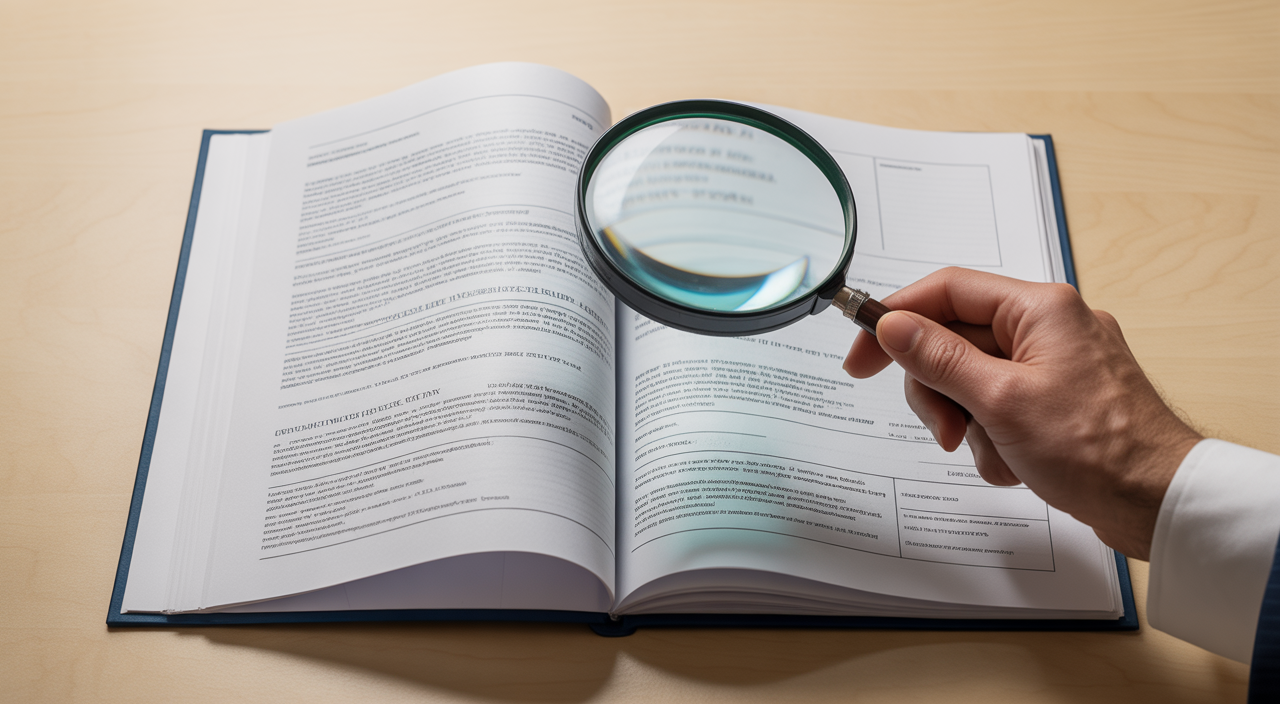
Think about the deeper issues that can hurt your paper. These go beyond simple grammar errors or typos. An author might struggle with clarity and conciseness. They might use too much jargon that’s not easily understood by a broader scientific audience. Or, they might present data in a confusing way.
Here are some common pitfalls that often escape authors:
- Jargon Overload: Medical fields use specific terms. But too much jargon, or using it without proper explanation, can alienate readers and even reviewers outside your immediate sub-specialty.
- Inconsistent Terminology and Formatting: Imagine reading a paper where a key term changes spelling or capitalization halfway through. Or where tables and figures look different from each other. These small inconsistencies can make your paper seem unprofessional.
- Ambiguous Data Presentation: Your results are crucial. If your tables, figures, or their accompanying legends are unclear or misleading, your entire message can be misunderstood.
- Weak Arguments or Illogical Flow: Sometimes, the ideas in a paper don’t connect smoothly. The arguments might not build on each other. This makes the paper hard to follow.
- Non-Adherence to Journal-Specific Style Guides: Every medical journal has its own rules. These include how to cite references, format headings, or even spell certain medical terms. Missing these can lead to automatic rejection.
- Overlooking Ethical Reporting Guidelines: Medical research comes with strict ethical rules. Guidelines like ICMJE, CONSORT, or PRISMA are essential. Editors ensure your paper follows these. This protects patient privacy and maintains scientific integrity.
The cost of poor quality writing is high. It can lead to rejection from journals. It can cause long delays in publication. It might even damage your professional reputation. Your valuable research deserves better than these preventable mistakes.
What Expert Medical Paper Editing Truly Entails
Professional medical paper editing goes far beyond basic proofreading. It’s a deep dive into your manuscript. An expert editor acts as your first critical reader. They look at your work with fresh, experienced eyes. Their goal is to refine every aspect of your paper.
A comprehensive medical editor focuses on several key areas:
- Clarity and Conciseness: They make sure every sentence is easy to understand. They remove unnecessary words. They ensure your message is direct and impactful.
- Accuracy and Consistency: They verify medical terminology. They check data presentation. They ensure adherence to scientific conventions. This includes units of measurement and statistical reporting.
- Adherence to Guidelines: Expert editors are familiar with ethical reporting standards. They know various target journal instructions. This ensures your paper meets all formal requirements.
- Structure and Flow: They optimize the narrative. They make sure your ideas progress logically. This creates a compelling and easy-to-read paper.
- Language and Style: They refine grammar, syntax, and punctuation. They ensure an appropriate academic tone. They correct any awkward phrasing.
- Statistical Reporting Review: While not statisticians, editors can flag inconsistencies. They point out areas where statistical reporting might be unclear or potentially incorrect. This prompts the author to double-check.
These elements work together. They collectively boost your paper’s chances of acceptance. They also increase its overall scientific impact. Your findings will be more accessible and credible to your peers.
Specific Challenges in Editing Diverse Medical Documents
Medical writing isn’t a single category. Different types of documents have unique requirements. An expert editor understands these specific needs. They tailor their approach to each document type.
- Clinical Trial Reports: These require strict adherence to guidelines like CONSORT. Editors focus on clear descriptions of patient selection, interventions, and statistical methods. They also ensure ethical reporting of patient data.
- Review Articles (Systematic Reviews/Meta-Analyses): For these, PRISMA guidelines are vital. Editors ensure the methodology for searching and synthesizing evidence is clearly stated. They also check for logical flow in the discussion of findings.
- Case Reports: These often tell a patient’s story. Editors focus on narrative flow and diagnostic accuracy. They pay close attention to ethical patient privacy, ensuring all identifying information is removed or anonymized.
- Grant Proposals and Funding Applications: Here, persuasiveness is key. Editors refine the language to highlight the project’s significance and feasibility. They also check for clarity in budget explanations and timelines.
- PhD Theses and Dissertations: These are extensive documents. Editors ensure academic rigor across multiple chapters. They maintain consistent terminology and formatting throughout the entire work.
- Public Health Communications: These documents often target a broader audience. Editors focus on accessibility and clear, engaging language. They ensure policy implications are well-articulated and easy to understand.
Understanding these different needs is crucial. It ensures your document is not just grammatically correct, but also perfectly suited for its specific purpose and audience.
Choosing Your Editing Partner: What to Look for in a Medical Paper Editing Service
Selecting the right editing service is a big decision. Your research is important. You want it handled by someone who truly understands medical and scientific communication. When looking for professional understanding orthopedic specialists, you seek expertise. The same applies to editing.
Here are key qualities to consider:
- Subject-Matter Expertise: Look for editors with backgrounds in science or medicine. They should understand your field. This allows them to grasp complex ideas and suggest meaningful changes.
- Experience with Journal Guidelines: Editors should be familiar with various style manuals. These include AMA, APA, and specific journal submission requirements. This saves you time and reduces the risk of rejection.
- Transparency and Communication: A good service will have a clear process. They should offer revisions. They should provide constructive feedback. Good communication ensures you understand the changes made to your paper.
- Turnaround Time and Cost-Effectiveness: You need a balance of speed and quality. Reputable services offer different turnaround options. They provide fair pricing for the value they deliver.
- Security and Confidentiality: Your research is sensitive. Ensure the service has strong policies for data protection and confidentiality. Your work should always be safe with them.
Choosing an expert editor means investing in your research’s future. It provides peace of mind. You know your manuscript is in capable hands. It gives you the best chance for publication.
Preparing Your Manuscript for Professional Editing
Even with expert medical paper editing help, you can take steps to maximize your editing investment. A little preparation goes a long way. This ensures the editor can focus on the deeper issues. It means less time spent on obvious errors.
Here is a self-assessment checklist to consider before sending your paper:
- Check for Completeness: Ensure all sections are present. This includes your abstract, introduction, methods, results, discussion, figures, tables, and references.
- Ensure Author Agreement: Confirm all co-authors have reviewed and approved the content. This avoids last-minute changes and disagreements.
- Review for Obvious Ethical Concerns: Double-check that patient privacy is maintained. Make sure ethical approvals are mentioned where required.
- Basic Proofread: Do a quick read-through. Catch any glaring typos, grammatical errors, or awkward sentences you can easily fix.
- Adhere to Initial Journal Formatting: If you have a target journal, try to format your paper roughly according to its guidelines. This helps the editor focus on content, not just formatting.
By doing this groundwork, you help the editor work more efficiently. This leads to a higher quality final product. For more detailed tips, you can always seek resources on effective manuscript preparation. It’s a key part of the publication journey, much like how you might learn about medication management at home to ensure everything is in order.
Conclusion: Elevate Your Research, Ensure Your Impact
Your medical research is important. It adds to our understanding of health and disease. It can lead to better patient care. The path to sharing this research, through publication, should not be filled with avoidable language barriers or formatting mistakes.
Professional medical paper editing is an essential step. It ensures your manuscript is clear, accurate, and compelling. It gives your work the best possible chance of being accepted by prestigious journals. It boosts your credibility. It helps your vital findings reach the wider scientific community.
Give your medical paper the professional edge it deserves. Invest in expert editing. This ensures your research makes the impact it was meant to.
Frequently Asked Questions
Q1: How long does medical paper editing usually take?
A1: The time needed depends on your paper’s length, complexity, and the level of editing required. Many services offer various turnaround times, from a few days to a couple of weeks. Urgent options are often available for tight deadlines.
Q2: Can professional medical editing guarantee publication?
A2: No, professional editing cannot guarantee publication. Journal acceptance depends on many factors, including the scientific merit of your research, the peer review process, and the journal’s scope. However, high-quality editing significantly increases your paper’s chances by ensuring clarity, accuracy, and adherence to journal standards.

Martin Evans is a tech specialist with 10+ years of experience in software engineering, data analytics and digital transformation. He currently works as Senior Software Engineer for a leading IT solutions company in England. Martin has a passion for programming and loves staying up to date with the latest technology trends. He specializes in developing custom software solutions and is experienced with everything from front end to back end engineering practices.