
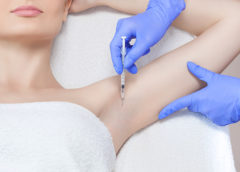
If you sweat excessively, you’re not alone. In fact, over 8 million people in the United States suffer from a condition called hyperhidrosis, which is defined as sweating that occurs more than is necessary to maintain normal body temperature. There are many treatments for hyperhidrosis, but one of the most popular is Botox. Botox for sweating is a safe and effective option for those who want to reduce their sweating. In this blog post, we will discuss everything you need to know about botox for sweating, from how it works to what to expect during and after treatment.
What is Botox for Sweating?
There are a number of reasons why people may want to try Botox for sweating. For some, it can be a way to reduce the amount of sweat that occurs during exercise or in hot weather. Additionally, it can be used to help control sweating when other methods, such as antiperspirants, have failed. Botox works by temporarily paralyzing the muscles that produce sweat. This can help to reduce the amount of sweat produced and make it easier to control.

If you are considering trying Botox for sweating, it is important to consult with a doctor first. They will be able to assess your individual needs and determine if this treatment is right for you. Additionally, they will be able to provide guidance on how often you should receive treatments and what type of results you can expect.
Botox is most commonly known for its cosmetic uses, but it can also be used for medical purposes, including treating excessive sweating. Botox for sweating also called botulinum toxin type A, is a safe and effective treatment that can help control the problem.
During a treatment session, small injections of Botox are made into the affected areas. The solution works by blocking the release of a chemical that signals the sweat glands to produce sweat. This helps to temporarily reduce sweating in the treated areas.
How Does Botox Work for Sweating?
When Botox is injected into the skin, it blocks the release of a chemical called acetylcholine. This chemical is responsible for sending signals from the nerve endings to the sweat glands, telling them to produce sweat. By blocking the release of this chemical, Botox can significantly reduce the amount of sweating that occurs in the treated area.
Botox injections for sweating are usually given in a series of three or four treatments, spaced about four weeks apart. The results of Botox for sweating typically last for six to eight months before the effects begin to wear off and additional treatments may be necessary to maintain results.
Pros and Cons of Botox for Sweating
There are potential pros to Botox for sweating, including:
1. Reduced sweating – Botox can significantly reduce the amount of sweat produced by the body, which can be a major relief for those who suffer from excessive sweating (hyperhidrosis).
2. Better control over sweating – In addition to reducing the overall amount of sweat produced, Botox can also help to control when and where sweating occurs. This can be helpful for those who often sweat excessively in certain areas (such as the armpits) or at certain times (such as during anxiety-inducing situations).
3. Improved quality of life – Excessive sweating can have a major impact on quality of life, both due to the physical discomfort it causes and the embarrassment and social anxiety it can induce. Botox can help to improve quality of life by providing much-needed relief from these symptoms.
There are also some potential cons to Botox for sweating, including:
1. Cost – Botox is a relatively expensive treatment, and it is not typically covered by insurance.
2. Side effects – Although rare, there are some potential side effects associated with Botox, such as bruising, swelling, and pain at the injection site.
3. Temporary results – The effects of Botox typically last for 4-6 months before gradually wearing off. This means that repeated treatments will be necessary to maintain the desired results.
Alternatives to Botox Treatment
Although Botox is the most commonly used treatment for sweating, there are other options available for those who are looking for an alternative to Botox treatment.
These alternatives include:
1. Surgery: This is an option for those who have tried other treatments and found them to be unsuccessful. Surgery can be done to remove the sweat glands that are causing the problem.
2. Anticholinergic medications: These medications work by blocking the chemical that stimulates sweat glands. They are available in pill form and are taken orally.
3. iontophoresis: This is a non-surgical treatment that uses electrical current to temporarily disable sweat glands. It is typically done as a series of treatments over a period of time.
4. Microwave therapy: This therapy uses microwaves to destroy sweat glands. It is a newer treatment and is not yet widely available.
5. Botulinum toxin type A injections: This is another option for those who do not want to have surgery or take medication. Injections of botulinum toxin type A into the affected area can temporarily disable sweat glands.
What to Expect after Your treatment?
Most people report feeling little to no pain during the injections. You may have some redness and swelling at the injection site, but this should go away within a few hours. The results of your treatment will become visible within a few days and will last anywhere from 3 to 6 months.
Potential side effects as with any medical procedure, there are potential risks and side effects that you should be aware of. Rarely, patients have reported bruising and bleeding at the injection site or headaches. These side effects go away quickly and on their own. If you notice any serious side effects after your treatment, please call us immediately.
Conclusion
If you’re considering Botox for sweating, there are a few things you should know before making a decision. First, Botox isn’t a permanent solution — you’ll need to get treatments every few months to maintain results. Second, while it is effective at reducing sweating, it doesn’t completely stop it — so you may still need to use antiperspirants or other products on days when you want to stay dry. Finally, Botox is not without risks — there’s a small chance of side effects like bruising or infection. However, if you’re struggling with excessive sweating and nothing else has worked, Botox may be worth considering. Talk to your doctor to see if it’s right for you.

Martin Evans is a tech specialist with 10+ years of experience in software engineering, data analytics and digital transformation. He currently works as Senior Software Engineer for a leading IT solutions company in England. Martin has a passion for programming and loves staying up to date with the latest technology trends. He specializes in developing custom software solutions and is experienced with everything from front end to back end engineering practices.