
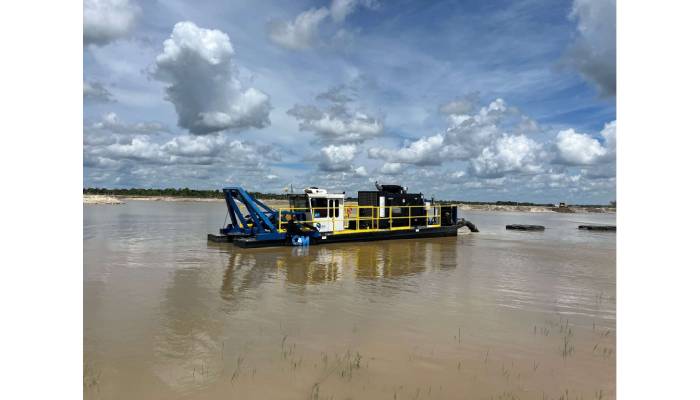
Dredging is essential for maintaining waterways, reclaiming land, and various environmental projects. Selecting the right equipment is crucial for project success, and that starts with choosing the right dredge manufacturer. But with so many options available, how do you make the best choice? This guide will walk you through the key considerations to ensure your dredging project is a success.
Think of dredging like cleaning up your backyard pond. You need the right tools to remove the muck and keep the water flowing. Similarly, dredging projects require specialized equipment, and the manufacturer you choose plays a vital role in the effectiveness and efficiency of the work. It’s not just about buying a machine; it’s about partnering with a company that understands your specific needs and can provide the right solutions.
Before selecting a dredge manufacturer, it’s essential to consider factors like project type, materials, site conditions, and budget. Different manufacturers specialize in various dredge types, such as mechanical, hydraulic, or pneumatic dredges. Evaluate their experience, reputation, and ability to customize solutions.

This article will break down the complexities of selecting a quality dredge, from understanding your project requirements to evaluating different manufacturers. We’ll cover the types of dredges, key factors to consider, and even some common pitfalls to avoid. Let’s dive in!
Understanding Your Dredging Needs
Before you even start looking at manufacturers, take a step back and clearly define your project. What are you trying to achieve? Are you clearing a harbor, deepening a canal, or restoring a wetland? The answers to these questions will significantly influence the type of dredge you need.
Consider the following factors:
- Type of Material: Is it sand, silt, clay, or a mix? Some dredges are better suited for certain materials.
- Depth and Distance: How deep will you be dredging, and how far will the material need to be transported?
- Environmental Concerns: Are there any sensitive ecosystems nearby that need to be protected?
- Project Timeline: How quickly do you need the project completed?
Once you have a clear understanding of your project requirements, you can begin to narrow down your search for a suitable dredge and, consequently, a reliable manufacturer. Ignoring these initial assessments can lead to costly mistakes and delays down the line.
Types of Dredges and Their Applications
Dredges come in various shapes and sizes, each designed for specific tasks. Here are a few common types:
- Cutter Suction Dredges: These use a rotating cutter head to loosen material, which is then sucked up and pumped away. They’re versatile and suitable for a wide range of applications.
- Auger Dredges: These use an Archimedes screw to move material. They’re ideal for shallow water and confined spaces.
- Hydraulic Dredges: These use high-pressure water jets to break up material. They’re often used for removing sediment from lakes and rivers.
Each type has its pros and cons. For example, a cutter suction dredge might be perfect for a large-scale harbor dredging project, while a small auger dredge might be more appropriate for cleaning out a small pond. Understanding the strengths and weaknesses of each type is key to choosing the right one for your project. Look into different types of lake dredging equipment to expand your options.
Key Factors to Consider When Choosing a Dredge Manufacturer
Once you know what kind of dredge you need, it’s time to evaluate potential manufacturers. Here are some key factors to keep in mind:
- Experience and Reputation: How long has the company been in business? What do their customers say about them? Look for a manufacturer with a proven track record of delivering high-quality equipment and reliable service.
- Product Quality and Innovation: Are their dredges built to last? Do they incorporate the latest technology? A good manufacturer will use durable materials and innovative designs to ensure optimal performance.
- Customization Options: Can they tailor their dredges to meet your specific needs? Every project is different, so it’s important to work with a manufacturer that can provide customized solutions.
- After-Sales Support and Service: What kind of support do they offer after the sale? Do they provide training, maintenance, and spare parts? A reliable manufacturer will stand behind their products and provide ongoing support to ensure your dredge operates smoothly.
- Environmental Considerations: Are they committed to sustainability? Do they offer eco-friendly dredging solutions? With increasing environmental awareness, it’s important to choose a manufacturer that shares your values.
Evaluating Dredge Manufacturers: A Checklist
Here’s a simple checklist to help you evaluate potential dredge manufacturers:
- Ask for References: Talk to other customers who have used their equipment.
- Visit Their Facility: See their manufacturing process firsthand.
- Request a Quote: Get a detailed breakdown of all costs.
- Inquire About Warranty: Understand the terms and conditions of their warranty.
- Assess Their Communication: Are they responsive and helpful?
Why Choose the Right Dredge Manufacturer?
Choosing the right dredge equipment is more than just buying a machine; it’s about ensuring the success of your project. It can save you time and money, improve efficiency, and minimize environmental impact.
FAQs About Dredge Manufacturers
Q: What is the typical lifespan of a dredge?
A: With proper maintenance, a well-built dredge can last for 20 years or more.
Q: How much does a dredge cost?
A: The cost can vary widely depending on the type, size, and features. It’s best to get a custom quote from several manufacturers.

Martin Evans is a tech specialist with 10+ years of experience in software engineering, data analytics and digital transformation. He currently works as Senior Software Engineer for a leading IT solutions company in England. Martin has a passion for programming and loves staying up to date with the latest technology trends. He specializes in developing custom software solutions and is experienced with everything from front end to back end engineering practices.