
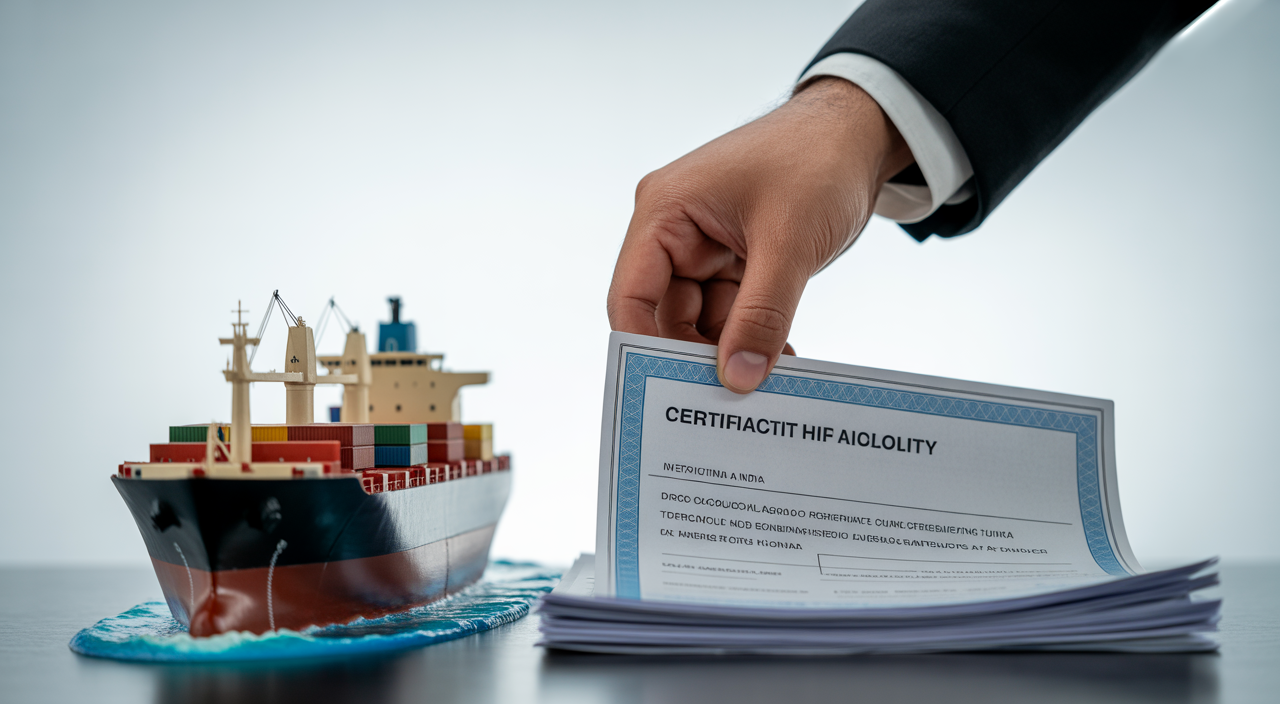
Are you an importer bringing goods into India? Do you know about the crucial document called the epr certificate in import? This certificate is essential for many products you might be shipping. It’s not just a formality; it’s a legal requirement that keeps your business running smoothly and helps protect our environment.
Extended Producer Responsibility (EPR) means that producers, which includes importers, are responsible for their products even after consumers use them. This covers managing waste like plastics, electronics, and batteries. Getting your epr certificate in import ensures you meet these responsibilities. It’s a vital step for any business engaged in import activities in India.
Ignoring this requirement can lead to serious problems for your business. It can cause delays at customs and lead to heavy fines. Understanding the process and obtaining this certificate is key to successful and compliant importing. Let’s break down everything you need to know.
The concept of Extended Producer Responsibility (EPR) is powerful. It shifts the burden of waste management from local governments and taxpayers back to the businesses that put products onto the market. For importers, this means you are responsible for ensuring that the waste generated from your imported products is properly collected and recycled.
This responsibility covers several product categories. The most common are plastic packaging, e-waste (electronic goods), and batteries. India’s Central Pollution Control Board (CPCB) oversees these regulations. They set the rules and issue the necessary certificates.
The Critical Importance of an EPR Certificate for Your Import Business
Having an EPR certificate isn’t just about following rules. It offers several benefits that can safeguard and enhance your import business. Let’s look at why it’s a non-negotiable requirement.
- Ensuring Legal Compliance: Without an EPR certificate, your imports can be stopped at customs. You could face legal action and significant penalties. Compliance means your operations stay within the law.
- Smooth Customs Clearance: A valid certificate ensures your goods move through customs without unnecessary delays. This prevents inventory backlogs and keeps your supply chain efficient.
- Enhancing Brand Reputation: In today’s world, customers care about environmental responsibility. Having an EPR certificate shows your commitment to sustainability. This can boost your brand image and attract environmentally conscious consumers.
- Contributing to a Circular Economy: EPR schemes promote recycling and resource recovery. By complying, you actively help reduce waste and conserve natural resources. This supports a healthier planet for everyone.
Essential Documents for Your EPR Certificate in Import Application
The application process requires careful attention to detail. Gathering all the correct documents is the first big step. Missing or incorrect paperwork can cause significant delays. Here’s a list of what you will typically need:
- Import Export Code (IEC) Certificate: This is mandatory for any import or export business in India.
- GST Certificate: Proof of your Goods and Services Tax registration.
- PAN Card: The Permanent Account Number of the authorized person or company.
- Authorized Person’s Aadhar Card: For identification purposes.
- Product-Specific Details: Detailed information about the products you import. This includes the type of plastic, e-waste category, battery chemistry, quantity, and HSN codes.
- Registered Office Address Proof: Documents like utility bills or rental agreements.
- Undertaking/Declaration Forms: Specific forms as required by the CPCB.
- Agreements with Waste Management Agencies: Proof of tie-ups with authorized recyclers, dismantlers, or Producer Responsibility Organizations (PROs). These agreements show how you plan to meet your recycling targets.
- Flowchart of Waste Collection System: If applicable, a diagram showing how your waste collection and recycling system will work.
Ensuring all these documents are accurate and up-to-date is crucial. It simplifies the application review process significantly.
How Long is Your EPR Certificate for Imports Valid?
An EPR certificate is not a one-time issuance that lasts forever. It comes with a specific validity period. Typically, an EPR certificate is valid for a period of five years. However, this is subject to timely renewals.
It is vital to keep track of your certificate’s expiration date. Renewing it on time prevents any disruption to your import activities. Ongoing compliance, including submitting annual reports, also plays a role in maintaining its validity. The CPCB can suspend or even cancel certificates if conditions are not met.
Step-by-Step Guide: The EPR Certificate in Import Application Process
Obtaining your EPR certificate involves several stages. Understanding each step helps you prepare better and speeds up the process.
Phase 1: Preparation & Documentation
This initial phase is about getting your house in order. First, you need to identify exactly which product categories your imports fall into. Are they plastic, e-waste, or batteries? Then, estimate the amount of waste these products will generate. Finally, it is essential to engage with authorized recyclers or PROs. These partnerships are crucial for demonstrating your commitment to waste management.
Phase 2: Online Application & Submission
Once your documents are ready, you’ll register on the CPCB Portal. This online platform is where you submit your application. You will fill out the specific application form, such as Form 1 for Plastic or Form 1(a) for E-Waste. Then, you’ll upload all your supporting documents. Accuracy here is key to avoiding rejections.
Phase 3: Scrutiny & Approval
After submission, the CPCB or State Pollution Control Board (SPCB) reviews your application. They might raise queries or point out deficiencies. You must respond to these promptly and correctly. Once everything is in order, your EPR Certificate will be granted.
Phase 4: Post-Registration Compliance
Getting the certificate is just the beginning. You have ongoing responsibilities. This includes submitting annual reports detailing your waste collection and recycling efforts. You must also achieve the recycling targets set by the CPCB. Keeping meticulous records of all your activities is also a must for future audits.
Understanding these phases will make the process for an EPR certificate in import much clearer. It helps to approach it systematically.
Navigating EPR: Common Pitfalls for Importers to Sidestep
Many importers face challenges during the EPR application process. Being aware of common mistakes can help you avoid them. Here’s a quick checklist of things to watch out for:
- Incorrect Product Categorization: Misidentifying the type of plastic, e-waste, or battery can lead to wrong applications and delays.
- Incomplete Documentation: Always double-check that every required form and proof is attached and correctly filled.
- Inaccurate Waste Generation Data: Underestimating or over-estimating quantities can cause issues with your recycling targets and reporting.
- Failing to Tie Up with PROs/Recyclers: Not having proper, legally binding agreements with authorized waste management entities is a common showstopper.
- Ignoring Amendments to Regulations: EPR rules can change. Staying updated with the latest CPCB guidelines is very important.
- Late Application: Starting the process too close to your import deadlines can lead to costly delays and missed opportunities.
- Improper Annual Filing: Post-registration compliance is just as important. Missing deadlines or submitting incorrect data for annual reports can lead to penalties.
The Risks of Non-Compliance: What Happens Without an EPR Certificate in Import?
Operating without a valid EPR certificate in import can put your business at significant risk. The consequences are far-reaching and can impact your finances and reputation.
- Heavy Penalties & Fines: The CPCB can impose substantial environmental compensation and fines. In severe cases, there can even be provisions for imprisonment under environmental protection laws.
- Customs Clearance Issues: Your imported goods can be held at ports. Imagine critical shipments stuck for weeks, incurring heavy demurrage charges, storage costs, and significant delays in getting your products to market.
- Brand Reputation Damage: Public perception matters. Non-compliance can lead to negative media attention and a damaged brand image. This can erode customer trust and loyalty.
- Legal Action and Prosecution: The authorities can initiate legal proceedings against non-compliant businesses. This results in costly litigation and potential operational shutdowns.
- Operational Disruptions: Delays, fines, and legal troubles disrupt your entire supply chain. This makes it difficult to plan and execute your business strategies effectively.
These risks highlight why obtaining and maintaining an EPR certificate is not just a regulatory hurdle but a strategic business decision. Businesses also benefit from efficient supply chain operations, for which understanding streamlined business operations is also vital.
Understanding the Cost of an EPR Certificate for Importers
The expenses associated with obtaining an EPR certificate can vary. They depend on factors like your product type, import volume, and the complexity of your operations. Here’s a general breakdown:
| Expense Category | Estimated Cost Range (INR) | Notes |
|---|---|---|
| Government/Application Fees | ₹ 5,000 – ₹ 20,000 | Varies based on product category and scale. |
| Professional Fees | ₹ 20,000 – ₹ 75,000+ | For consultants assisting with documentation, application, and liaison. |
| Recycling/PRO Fees | Varies significantly | Based on quantity and type of waste, and recycling targets. This can be a substantial ongoing cost. |
| Auditing/Reporting Fees | ₹ 10,000 – ₹ 30,000 (Annual) | For annual compliance reporting and potential audits. |
| Other Incidentals | ₹ 2,000 – ₹ 10,000 | Miscellaneous costs, like legal vetting or travel. |
It’s important to budget for both the initial application and ongoing compliance costs. While some costs might seem high, they are an investment in legal operations and brand integrity. Investing in your business also includes initiatives like strategic business growth to build a strong market presence.
Simplify Your EPR Certificate in Import Journey with Expert Assistance
The process for an EPR certificate in import can be complex and time-consuming. Navigating the various rules, preparing precise documentation, and liaising with government bodies requires specific expertise. That’s where professional assistance becomes invaluable.
Our expert team specializes in EPR compliance. We offer comprehensive services to guide you through every step. From determining your specific EPR applicability to preparing all necessary documents and submitting your application, we handle the intricacies. We also assist with agreements with recyclers and provide ongoing support for annual reporting, ensuring you meet all your obligations. Our goal is to make your EPR journey hassle-free and efficient.
Your Path to Seamless Imports with EPR Compliance
Securing an EPR certificate is a mandatory aspect of importing many products into India. It safeguards your business from legal troubles and financial penalties. More importantly, it demonstrates your commitment to environmental sustainability. This builds a positive image for your brand.
Don’t let the complexities of EPR compliance hinder your import business. Proactive management and expert guidance are key to ensuring a smooth and compliant operation. Ensure your import business thrives sustainably and legally. Reach out for expert assistance to get started on your EPR journey today.
Frequently Asked Questions About EPR Certificate in Import
Here are some common questions about EPR certificates for importers:
Q1: What is an EPR Certificate in import?
A: An EPR Certificate (Extended Producer Responsibility) is a mandatory authorization for importers in India. It ensures you are responsible for managing the post-consumer waste of the products you bring into the country. This helps in environmental protection.
Q2: Which imported products specifically require an EPR Certificate?
A: The certificate is primarily needed for products covered under India’s Plastic Waste Management Rules, E-Waste Management Rules, and Battery Waste Management Rules. This includes various types of plastics, electronic goods, and batteries.
Q3: How long does it typically take to obtain an EPR Certificate for imports?
A: The timeframe can vary depending on the completeness of your documentation and the CPCB’s processing speed. Generally, it can take anywhere from 30 to 90 days from the date of a complete application submission.
Q4: Can I apply for an EPR Certificate myself, or is it better to use a consultant?
A: While you can apply yourself, the process involves intricate documentation, specific compliance requirements, and liaison with government authorities. Many businesses find that engaging an expert consultant significantly simplifies the process. It ensures a smoother, faster, and more compliant application.

Martin Evans is a tech specialist with 10+ years of experience in software engineering, data analytics and digital transformation. He currently works as Senior Software Engineer for a leading IT solutions company in England. Martin has a passion for programming and loves staying up to date with the latest technology trends. He specializes in developing custom software solutions and is experienced with everything from front end to back end engineering practices.