
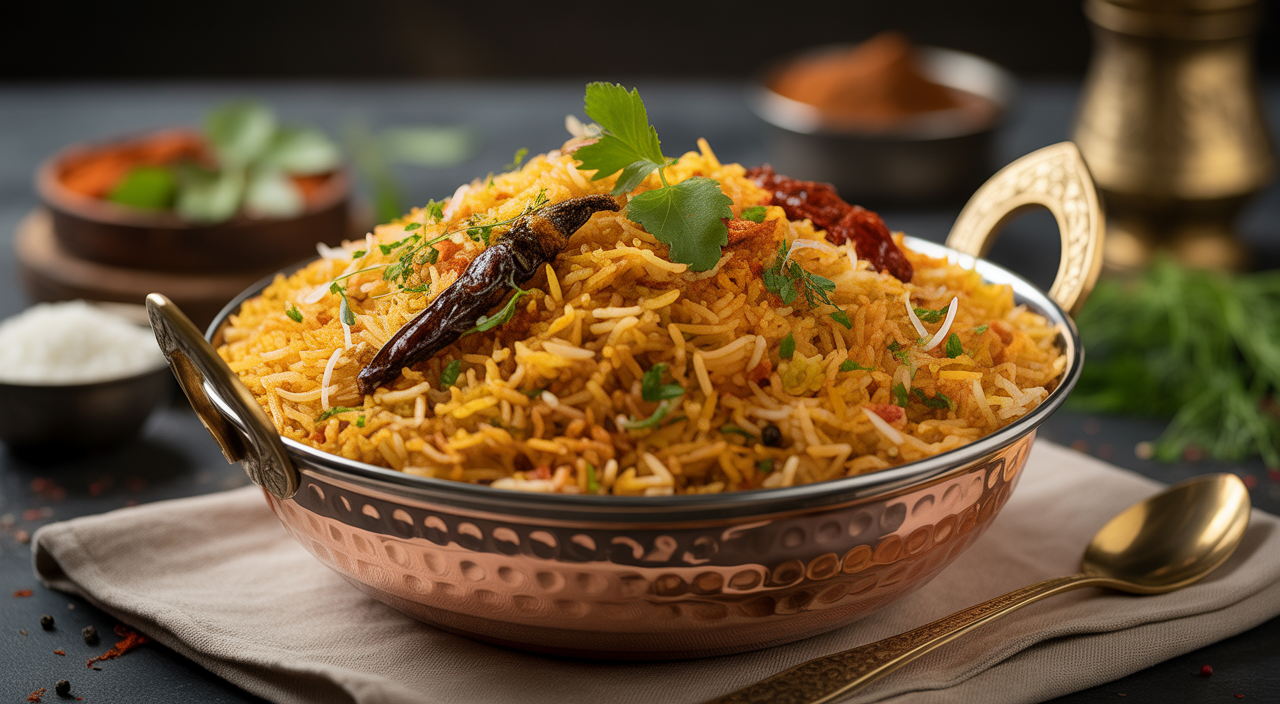
Why does choosing the right rice matter for biryani?
If your biryani has ever turned mushy, sticky, or dull in aroma, the main reason is usually the rice. When you plan to buy rice for biryani, you are not just buying a staple. You are choosing the base that decides aroma, texture, and overall experience.
The good news is that once you understand a few simple points, picking the perfect biryani rice becomes very easy. You will know what to read on the pack, which variety to choose, and how to cook it so every grain stands out long and fluffy.
This guide walks you through everything, from types of basmati to soaking time, in a clear and friendly way.
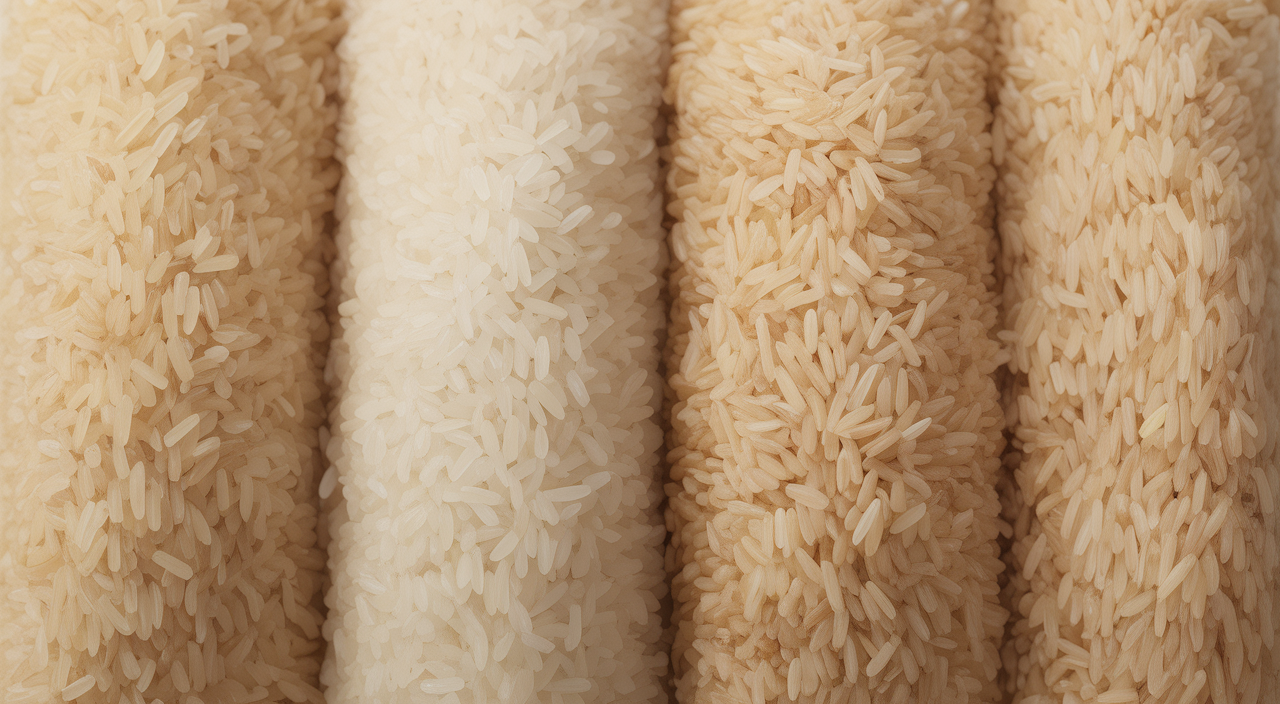
What is basmati rice and why is it best for biryani?
Basmati is a long grain rice variety known for its fragrance, slim shape, and light texture. When cooked for biryani, good basmati gives you grains that are separate, aromatic, and not heavy on the stomach.
The key features that matter for biryani are:
- Grain length: Extra long basmati looks beautiful on the plate and gives that royal feel.
- Low stickiness: Perfect for layered rice dishes like dum biryani.
- Aroma: Aged rice has a deeper, nutty fragrance that lifts the whole dish.
Grain length, texture, and aging explained
Grain length & texture: For biryani, choose long grain or extra long grain basmati. After cooking, these grains stretch further and look elegant. Shorter grains or broken rice can make the dish look and feel dense.
Aroma & aging: Many premium biryani rices are aged for 1–2 years. Aging reduces moisture in the grain and develops a rich aroma. Aged basmati usually cooks more evenly, with fluffy, non-sticky grains.
On the pack, look for words like “aged basmati,” “traditional basmati,” or “premium biryani rice.” These are strong signs you are choosing the right product.
Top basmati rice options for biryani
When you want to buy rice for biryani, you will often see several types of basmati. Here is a simple guide:
- Traditional aged basmati: Great for classic dum biryani, restaurant-style results, and special occasions.
- Extra long basmati: Ideal when you want very long, showpiece grains for parties and guests.
- Organic basmati: Good if you prefer chemical-free farming and a cleaner ingredient list.
All three can give you fluffy grain biryani, but traditional aged basmati usually gives the strongest aroma and best texture.
Five things to check before you buy rice for biryani
1. Grain grade and age
Check if the pack mentions “full grain,” “long grain,” or “extra long.” Avoid packs with a high percentage of broken grains. They cook faster and can turn mushy. Age matters too. Aged rice, usually 1–2 years, gives better results than new crop rice for biryani.
2. Packaging size and price
Think about how often you cook biryani. For a family that cooks it once or twice a month, a 5 kg pack can be a smart choice. It often works out cheaper per kg than small pouches. If you are testing a new variety, start with 1 kg. Once you like it, you can buy bigger packs to save on biryani rice price over time.
3. Fragrance and appearance
When possible, check the grains through the transparent window of the bag. Good rice looks long, slender, and clean. If you open the pack, the dry rice should have a gentle, pleasant aroma. Strong chemical smell or no aroma at all is a sign to avoid it.
4. Shipping, storage, and freshness
If you buy basmati rice online, look for airtight, food-grade packaging and clear shipping timelines. Once it reaches your home, store the rice in a cool, dry place in a sealed container. This keeps the natural aroma intact for months.
5. Certifications and sourcing
For many buyers, certifications like organic or quality marks are important. These labels show extra checks on farming and processing. If you enjoy reading about food choices, you may also like guides on topics such as choosing the right manufacturing partner for your products, which follow similar quality principles.
How to cook fluffy biryani rice step by step
Rinsing and soaking
Rinse: Wash the rice 3–4 times in water until the water runs almost clear. This removes extra starch and helps prevent sticking.
Soak: For most basmati, soaking for 25–30 minutes is ideal. Soaking helps the grain absorb some water before cooking, which leads to long, even grains. If you soak for too long, the rice can become too soft, so try not to cross 45 minutes.
Water ratio and cooking methods
For biryani, many cooks parboil the rice first. A simple approach is:
- Use about 6–7 cups of water for every 1 cup of rice when boiling.
- Add whole spices and a little salt to the boiling water for extra flavor.
- Cook the rice until it is about 70 percent done. The grain should break with a slight bite in the center.
- Drain the water completely, then layer the rice with your biryani masala and put on dum.
You can also cook rice fully by absorption (using less water and no draining), but for traditional dum biryani, parboiling gives the best control.
Common mistakes to avoid
- Not rinsing enough, which leads to sticky rice.
- Skipping soaking, which can give shorter, uneven grains.
- Overcooking the rice before layering, which makes it break on dum.
- Using very high heat during dum, instead of slow, gentle cooking.
Extra tips for Indian home cooks and investors in quality ingredients
Many Indian households see biryani as a celebration dish. Choosing a trusted, premium rice is like investing once and enjoying the benefits all year. Just like you would compare options for an important service such as picking a reliable home cleaning provider, it pays to compare grain length, age, and aroma across rice brands.
Keep a small notebook or note on your phone. Each time you try a new rice, note cooking time, water ratio, and results. In a few months, you will have your own “biryani rice playbook” that works perfectly for your kitchen, stove, and pot.
FAQs about choosing rice for biryani
Q1: Can I use regular long grain or sona masoori instead of basmati for biryani?
Yes, you can, but the texture and aroma will be different. Regular long grain or sona masoori can give a tasty dish, but you will miss the signature fragrance and long, separate grains of authentic biryani rice. For special occasions and true restaurant-style results, basmati remains the best choice.
Q2: How should I store basmati rice to keep it fresh and aromatic?
Store rice in an airtight container, away from moisture, heat, and strong smells. A cool kitchen cabinet works well. Avoid leaving the rice in thin plastic bags for long periods. Proper storage protects the aged rice aroma and keeps insects away.
Q3: How long should I soak basmati rice for the best biryani texture?
For most premium basmati varieties, 25–30 minutes of soaking is ideal. Less than 20 minutes can lead to shorter grains, and more than 45 minutes can make them too soft. If your rice is very old or very firm, you can test a small batch and adjust the soaking time slightly.
Q4: Does aged basmati rice really make a big difference?
Yes, aged rice usually has lower moisture, stronger aroma, and more stable cooking behavior. This means it is easier to get long, separate grains that do not break. If you often cook biryani, choosing aged basmati is a simple upgrade that brings clear, visible results.

Martin Evans is a tech specialist with 10+ years of experience in software engineering, data analytics and digital transformation. He currently works as Senior Software Engineer for a leading IT solutions company in England. Martin has a passion for programming and loves staying up to date with the latest technology trends. He specializes in developing custom software solutions and is experienced with everything from front end to back end engineering practices.