
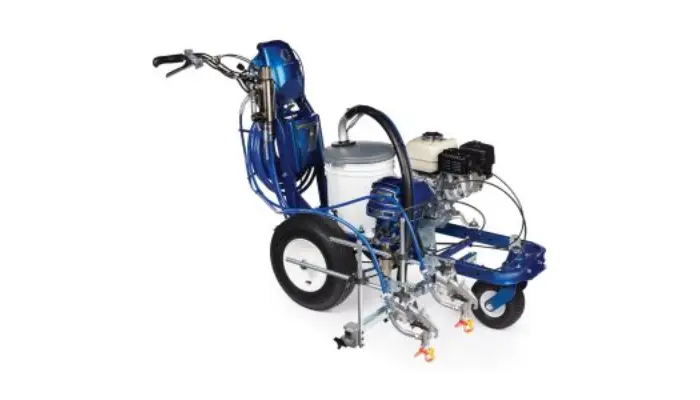
To keep your line painting machine working smoothly, it’s important to follow some basic upkeep steps. Start by reading the owner’s manual carefully to know the right cleaning and maintenance routines. After every use, clean the machine thoroughly to avoid paint buildup in hoses and spray tips, using water for latex paints or solvents for oil-based ones. Check spray tips regularly for clogs or damage and replace if needed. Keep an eye on pressure settings because wrong pressure can mess up your lines. Don’t forget to lubricate moving parts like wheels and pistons often, plus inspect hoses and filters for wear to prevent breakdowns. Proper storage in a dry place helps too, while professional servicing now and then ensures everything stays calibrated and running well over time.
Read and Follow the Owner’s Manual Instructions
Before operating your line painting machines, take the time to thoroughly study the owner’s manual. This document is your most reliable source for understanding the machine’s components and how each part functions. Pay close attention to the recommended maintenance schedules, as these guidelines help keep your equipment running smoothly and prevent costly repairs. Follow cleaning instructions carefully to avoid damaging sensitive parts, especially when dealing with different types of paint or solvents. The manual also outlines essential safety precautions to protect you and your equipment during operation and maintenance. When issues arise, refer to the troubleshooting section to identify common problems and error codes quickly. Calibration instructions in the manual ensure your lines stay precise and consistent, which is vital for professional results. Use only the lubricants and cleaning agents specified by the manufacturer to maintain the machine’s integrity. Keep the manual handy during maintenance tasks for quick reference, and stay updated on any revisions or addendums from the manufacturer to incorporate the latest best practices.
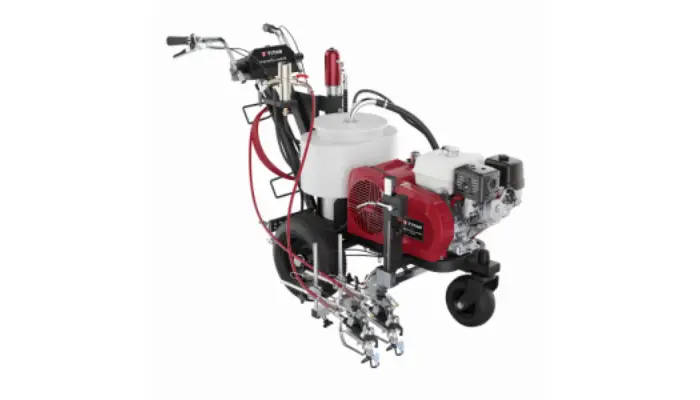
Clean the Machine Thoroughly After Every Use
After completing your painting job, immediately empty paint containers and properly dispose of any leftover paint to avoid hazards and contamination. Before starting the cleaning process, always relieve pressure in the system following the owner’s manual instructions to ensure safety. Remove spray tips and guards from the machine and soak them in suitable cleaning solutions to loosen dried paint and debris. Flush the hoses and spray gun thoroughly with the correct solvent until the paint clears completely: use paint thinner or mineral spirits for oil-based paints, and water for latex or water-based paints. Pay special attention to cleaning filters and rock catcher manifold filters by removing all paint buildup and debris, as clogged filters can affect performance. Wipe down the entire machine exterior to remove paint drips, dust, and dirt, which can lead to corrosion or mechanical issues if left unattended. It’s important to avoid letting paint dry inside hoses or gun assemblies since hardened paint can cause clogs and costly repairs. Once all parts are clean, inspect them carefully for any signs of damage or wear before reassembling. Finally, dry all components thoroughly to prevent rust or corrosion during storage, ensuring your line painting machine stays in good working order for the next use.
- Empty paint containers and dispose of leftover paint properly after use.
- Relieve pressure in the system as per manual instructions before starting cleaning.
- Remove spray tips and guards to soak in suitable cleaning solutions.
- Flush the hoses and spray gun with the correct solvent until all paint clears.
- Use paint thinner or mineral spirits for oil-based paints; water for latex or water-based paints.
- Clean filters and rock catcher manifold filters by removing debris and paint buildup.
- Wipe down the machine exterior to remove paint drips, dust, and dirt.
- Avoid letting paint dry inside hoses or gun assemblies to prevent clogs.
- Check all cleaned parts for damage or wear before reassembling.
- Dry all parts thoroughly to stop rust or corrosion before storage.
Inspect and Maintain Spray Tips and Nozzles
Spray tips and nozzles are crucial for producing clean, consistent lines, so inspect them daily for any signs of clogging, wear, or damage. Clogged tips can cause uneven paint flow, leading to poor line quality, so use proper cleaning kits or brushes to remove paint buildup after every use. Avoid using tips smaller than size 17 as recommended by most manufacturers, since smaller sizes tend to clog more easily. Check nozzle alignment regularly to ensure even paint distribution, and examine seals and o-rings for cracks or wear, replace them promptly to prevent leaks. Keep spare tips on hand so you can quickly swap out worn or damaged ones during a job, minimizing downtime. Handle tips carefully and avoid dropping them, as even small dents or deformations can disrupt spray patterns. It also helps to track tip usage and replacement dates to identify wear trends and plan maintenance ahead. Proper care of these components maintains the machine’s performance and ensures every line you paint stays sharp and professional-looking.
Check and Adjust Machine Pressure Settings
Regularly measuring your line painting machine’s pressure with a gauge is key to maintaining proper spray patterns. Always refer to the owner’s manual for the recommended pressure ranges, especially since different paint types may require specific settings. Inspect spray gun filters and inlet filters for blockages, as these can cause pressure drops and uneven spraying. If you notice paint overspray or tailing lines, lower the pressure to correct the issue. Conversely, if the paint sprays unevenly or the lines appear faint, increase the pressure carefully, making small adjustments to avoid further problems. Pressure should be checked not only during initial calibration but also after cleaning the system and periodically during use to catch leaks or malfunctions early. After adjusting, test the spray pattern on a sample surface to ensure the lines are crisp and consistent. Keeping a record of pressure settings for different jobs can save time and improve results on future projects.
Lubricate All Moving Parts Regularly
To keep your line painting machine running smoothly, it’s important to lubricate all moving parts regularly. Start by identifying components like pistons, wheels, axles, and gears that require lubrication. Always use the lubricants recommended by the manufacturer, such as piston lube specifically designed for line stripers, and follow the intervals outlined in the owner’s manual. Before applying lubricant, clean each part thoroughly to remove old grease, dirt, and debris, which can cause buildup if left unchecked. Use clean tools and cloths during application to avoid contamination. Be careful not to over-lubricate because excess lubricant can attract dirt and grit, leading to stiffness or damage. Pay special attention to wheel bearings and axle points to prevent noise and wear. While lubricating, inspect moving parts for signs of wear, corrosion, or damage to catch issues early. Keep a detailed maintenance log noting the dates lubrication was done and the products used. Also, store lubricants in proper conditions to maintain their effectiveness over time. This routine helps reduce friction, prevents rust, and prolongs the life of your machine’s components, ensuring consistent performance on every job.
Look for Wear and Replace Damaged Parts
Regular inspections are key to spotting wear before it leads to breakdowns. Check hoses for cracks, leaks, or brittleness since damaged hoses can cause paint leaks or pressure loss. Wheels should be inspected for flat spots, loose bearings, or other damage that can affect machine mobility and stability. Filters need attention too; clogged or torn filters reduce paint flow and can damage internal components if not replaced promptly. Nozzles and spray tips wear out from constant paint use, so look for deformation or erosion that affects spray quality. Also, seals, gaskets, and o-rings can dry out or wear, leading to leaks or pressure issues. Replace any parts showing signs of damage right away to avoid costly downtime. Keeping a stock of common replacement parts like hoses, filters, and o-rings helps minimize repair delays. Make it a habit to perform these checks monthly or after each major project. Always use manufacturer-approved parts to ensure proper fit and performance. Documenting each replacement with dates keeps your maintenance history clear and helps predict future needs.
Perform Regular Calibration Checks
Calibrating your line painting machine regularly is key to producing clean, consistent lines. Always perform calibration on a level surface and use proper measuring tools to check nozzle alignment and ensure the spray hits exactly where it should. Pay close attention to paint volume controls to keep the line width uniform throughout the job. Pressure settings also need to be verified during calibration to match the specifications in the owner’s manual, since incorrect pressure can cause uneven paint distribution or overspray. Before starting any project, test the spray on a sample area to confirm all settings deliver the desired results. After any major repairs, part replacements, or adjustments, recalibration is essential to maintain precision. Following the step-by-step calibration instructions from the owner’s manual helps avoid guesswork and ensures consistency. Keeping detailed records of your calibration dates and settings for different projects can save time and reduce errors later on. Training operators on the basics of calibration is also important to maintain uniform line quality no matter who is running the machine. Proper calibration not only prevents uneven paint application but also helps reduce paint waste by applying the right amount every time.
Store the Machine Properly Between Uses
Before storing your line painting machine, make sure it is cleaned and completely dry to avoid rust and paint buildup. Store it in a dry, sheltered spot away from extreme temperatures and moisture, which can damage components and cause corrosion. Cover paint buckets with plastic sheets to keep dirt out and prevent the paint from drying. Detach parts like spray guns and tips, clean them thoroughly, and store them separately to protect them from damage or loss. For off-season storage, use protective covers or containers to minimize dust buildup. Check stored equipment regularly for any signs of rust, damage, or dried seals to catch problems early. Avoid placing heavy items on or near the machine to prevent accidental damage. Keep lubricants and cleaning supplies in a cool, dry area close to the machine for easy access. Good ventilation in the storage area is important to reduce moisture buildup, which can lead to rust or mold. Finally, document the storage conditions and any maintenance performed before storing the machine to track its upkeep and ensure it stays in good working order.
Schedule Professional Servicing Periodically
Arranging professional servicing at intervals recommended by the manufacturer is key to keeping your line painting machine in top shape. Experts can perform deep cleaning and lubrication that go beyond routine user maintenance, ensuring parts operate smoothly and reducing wear. They also conduct detailed calibration checks and adjustments to maintain precise line widths and consistent paint flow. Professional inspections help detect hidden wear or mechanical issues early, preventing costly breakdowns during busy periods. Keeping thorough service records supports monitoring your machine’s health and ensures warranty compliance. If you face complex problems or need part replacements, professional repair is often the safest choice. Scheduling servicing before peak usage seasons prepares your equipment for heavy workloads and helps avoid downtime. Additionally, technicians can offer advice on optimizing machine performance and extending its lifespan. Always confirm that professionals use approved parts and methods to maintain quality and safety. Budgeting for periodic professional servicing as part of your maintenance plan is a smart investment that pays off in reliability and longevity.
Conduct Daily Pre-Use Inspections and Checks
Before starting your line painting machine each day, perform a thorough inspection to catch any issues early. Begin by checking the tire pressure and inflate it to the manufacturer’s recommended level to ensure smooth operation and accurate line placement. Look over the entire machine for visible leaks, loose parts, or signs of unusual wear that could affect performance or safety. Test all controls and safety features to confirm they work correctly, including emergency stops and throttle responses. Run a quick test on the spray gun to verify proper operation and pressure, making sure there are no clogs or paint buildup in the tips and hoses that could disrupt paint flow. Check that filters are clean and securely seated to prevent debris from entering the system. Pay attention to lubricated parts, ensuring they move smoothly without noise or resistance, as stiff or noisy components can signal a need for maintenance. Confirm that your calibration settings match the specific job requirements to avoid uneven or inconsistent lines. If your machine uses fuel or another power source, verify levels are adequate for the day’s work. Finally, record all inspection results to track recurring problems or maintenance needs, which helps in planning repairs and avoiding downtime.
Frequently Asked Questions
1. How often should I clean my line painting machine to ensure it works properly?
You should clean your line painting machine after every use to prevent paint buildup and clogs. This includes flushing the system with the appropriate cleaner and wiping down external parts to keep everything running smoothly.
2. What parts of a line painting machine need regular lubrication, and why is it important?
Key moving parts like wheels, hinges, and the spray mechanism require regular lubrication. Proper lubrication reduces friction, prevents wear, and helps avoid breakdowns, ensuring your machine stays reliable during operation.
3. How can I check for signs of wear or damage on my line painting machine?
Inspect your machine regularly for cracks, rust, worn hoses, or loose fittings. Pay close attention to the spray gun and wheels since these parts take the most abuse. Catching problems early helps keep your machine safe to use and prevents costly repairs.
4. What is the best way to store a line painting machine when not in use?
Store the machine in a dry, sheltered place away from extreme temperatures. Drain any leftover paint and clean the machine thoroughly before storing it to avoid clogs and corrosion. Proper storage helps extend the machine’s life.
5. How do I troubleshoot common issues like uneven paint lines or inconsistent spray from the machine?
Check that the spray nozzle is clean and not damaged, and make sure the paint is mixed to the right consistency. Also, verify that the machine’s pressure settings are correct. Regular maintenance and adjustment can fix most uneven spraying problems.
TL;DR Maintaining your line painting machine means following the owner’s manual closely and keeping up with regular cleaning after each use to avoid paint clogs. Inspect spray tips, adjust pressure settings, lubricate moving parts, and check for wear to ensure smooth operation. Regular calibration and proper storage protect the machine and preserve line quality. Daily pre-use checks and periodic professional servicing help prevent unexpected issues. A consistent maintenance routine will extend your machine’s life and keep your striping looking sharp and reliable.

Martin Evans is a tech specialist with 10+ years of experience in software engineering, data analytics and digital transformation. He currently works as Senior Software Engineer for a leading IT solutions company in England. Martin has a passion for programming and loves staying up to date with the latest technology trends. He specializes in developing custom software solutions and is experienced with everything from front end to back end engineering practices.