

How do you ensure fairness and prevent cheating when hiring talent remotely? In today’s global workplace, many companies conduct interviews and assessments online. This brings great flexibility. But it also raises questions about how to keep these assessments honest and secure.
That’s where a remote proctored assessment comes in. It’s a way to monitor candidates taking tests from their own location. This helps maintain the integrity of the assessment process. It ensures everyone has a fair chance.
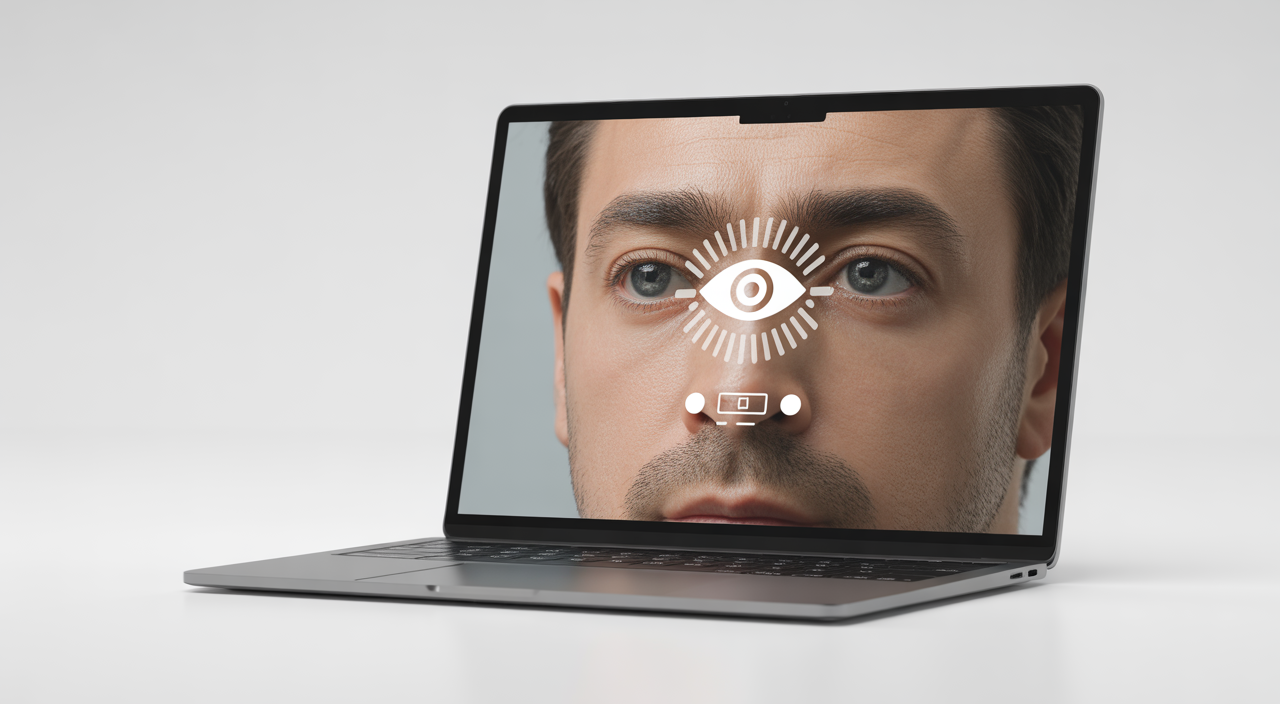
This guide will explain everything you need to know about remote proctored assessments. We will look at how they work and why they are so important. We will also focus on their benefits for pre-employment hiring. You’ll learn how to use them to find the best people for your team, no matter where they are.
Understanding Remote Proctored Assessments: The Basics
A remote proctored assessment uses technology to supervise someone taking an exam online. This happens from a different physical location. The main goal is to ensure the test taker follows all rules. It helps confirm they are who they say they are. It also prevents any unfair advantages.
How Remote Proctoring Works: Technology & Process
The process of remote proctoring involves several steps. Before the assessment starts, candidates typically complete system checks. This ensures their computer and internet connection are ready. They also go through an identity verification step. This might involve showing an ID to the camera. It confirms their identity.
During the assessment, special software monitors the candidate. This software can lock down the browser. It prevents access to other applications or websites. A webcam monitors the candidate’s face and surroundings. The system looks for suspicious behavior. This could include talking to someone else or looking at notes. This creates a secure virtual exam environment.
After the assessment, recordings or flagged incidents are reviewed. Human proctors or advanced algorithms check these reports. This helps ensure overall test security. They look for any breaches of the rules. This step guarantees the validity of the results.
Types of Remote Proctoring
There are different ways to conduct online proctoring services:
- Live Human Proctoring: A real person watches the candidate in real-time through their webcam and microphone. They can intervene if they see anything suspicious. This offers a high level of security.
- AI/Automated Proctoring: Artificial intelligence software monitors the candidate. It uses algorithms to detect unusual behavior, sounds, or movements. It flags these incidents for later review. This type of AI proctoring software offers great scalability.
- Record-and-Review Proctoring: The entire session is recorded. A human proctor then reviews the video after the assessment is finished. They look for any rule violations. This method offers flexibility.
- Hybrid Models: Many solutions combine AI monitoring with human review. AI flags potential issues, and a human proctor verifies them. This balances efficiency with thoroughness.
Why Remote Proctoring is Crucial for Pre-Employment Assessments
Hiring good people is vital for any business. With more people working remotely, online assessments have become common. Remote proctoring ensures these assessments are reliable. It helps you make better hiring decisions.
Ensuring Fair & Valid Skill Assessment
One major concern with online tests is cheating. Candidates might try to use unauthorized resources. They might even get help from others. Remote proctoring significantly reduces these risks. It helps maintain online integrity.
By using top startup recruitment agencies, you can ensure your aptitude, coding, or psychometric tests truly measure a candidate’s abilities. This is crucial for valid results. Strong behavioral analytics can spot patterns that suggest cheating. This ensures everyone’s scores genuinely reflect their skills.
Expanding Your Talent Pool & Boosting Efficiency
Remote proctoring removes geographical barriers. You can assess candidates from anywhere in the world. This greatly expands your talent pool. It allows you to find diverse and highly qualified individuals.
It also makes the hiring process more efficient. You can assess many candidates at once. This streamlines your hiring funnel. It speeds up the time it takes to fill open positions. This leads to quicker and better hiring outcomes for your organization.
Mitigating Bias and Legal Risks
Standardized monitoring is key to a fair hiring process. Remote proctoring ensures all candidates are assessed under similar conditions. This reduces potential bias. It helps create a level playing field for everyone.
Having clear records of the assessment process can also protect your company. It provides documentation in case of disputes. This can help prevent legal issues. It ensures transparency in your hiring practices. These practices are crucial for fair employment.
Key Features & Benefits of Proctored Pre-Employment Assessments
Choosing the right proctoring solution for your hiring needs involves looking at its specific features. These features are designed to enhance security and improve the experience for everyone involved.
Advanced Security Measures
Modern proctoring solutions offer robust security. They include browser lockdown features. This prevents candidates from opening other tabs or applications. Screen sharing detection stops them from showing their screen to others. Multi-factor authentication adds an extra layer of test security.
AI anomaly detection automatically flags suspicious activity. This includes unusual eye movements or external voices. Data encryption keeps all candidate information safe and private. These features make your proctored pre-employment tests highly secure.
Candidate Experience & Transparency
It is important to maintain a positive candidate experience. Clear communication about the proctoring process is essential. Candidates should understand what to expect. This includes how their data is collected and used. Solutions should minimize invasiveness while maximizing security.
Offering good technical support during assessments is also vital. This ensures candidates have a smooth experience. It helps them focus on the test, not technical glitches. A positive experience reflects well on your company.
Seamless Integration with HR Systems
The best proctoring solutions integrate smoothly with your existing HR technology. This includes Applicant Tracking Systems (ATS) and Learning Management Systems (LMS). Such integration creates a unified workflow. It makes managing candidates much easier.
This integration also provides comprehensive reporting and analytics for HR teams. You can track assessment results efficiently. This helps in making informed hiring decisions. If you need help with your IT infrastructure, professional IT support services can be very beneficial.
Implementing Remote Proctored Assessments in Your Hiring Strategy
Bringing remote proctoring into your hiring process requires careful planning. Following best practices ensures a successful and fair experience for everyone.
Best Practices for HR & Recruitment Teams
First, clearly define your assessment goals. What skills or traits are you trying to measure? Then, choose the right type of proctoring for different job roles and assessment types. A coding test might need different monitoring than a personality assessment.
Develop a clear proctoring policy for candidates. This policy should outline all expectations. It should explain the technology used. This transparency builds trust. It ensures candidates know the rules before they start.
Addressing Candidate Concerns: Privacy & Ethics
Data privacy is a major concern. Be transparent about how candidate data is collected and used. Ensure your proctoring solution complies with global privacy regulations. This includes GDPR and CCPA. These regulations protect personal information.
Establish clear ethical guidelines for monitoring. Explain why proctoring is necessary. Focus on fairness and integrity, not just surveillance. This helps address candidate concerns and build confidence in your process.
A Step-by-Step Implementation Checklist
Here’s a simple checklist to guide your implementation:
- Define Needs: What kind of assessments will you use? What level of security do you need?
- Vendor Selection: Research and choose a reliable remote proctoring provider.
- Policy Development: Create a clear, transparent proctoring policy.
- System Integration: Integrate the proctoring solution with your existing HR systems.
- Candidate Onboarding: Provide clear instructions and support to candidates.
- Pilot Testing: Run internal tests to identify and fix any issues.
- Launch & Monitor: Begin using proctored assessments and continuously monitor performance.
- Review & Improve: Regularly review feedback and data to refine your process.
Future Trends in Remote Proctoring for Talent Acquisition
The world of remote proctoring is always evolving. New technologies and methods are constantly emerging. These advancements promise even more effective and user-friendly solutions for hiring.
The Evolving Role of AI and Machine Learning
Artificial intelligence (AI) and machine learning are becoming more sophisticated. They can perform more detailed behavioral analytics. This leads to more accurate detection of suspicious activities. AI can even predict potential risks during an assessment.
These smart systems help reduce the need for constant human oversight. This makes the process more efficient. It also helps manage large volumes of assessments. AI will continue to make remote proctoring smarter and faster.
Greater Customization and Flexibility
Future proctoring solutions will offer even more customization. Companies can tailor their proctoring rules to fit their unique culture and assessment needs. This flexibility means solutions can adapt to various job roles and industry requirements.
From different levels of monitoring to varied communication protocols, customization will enhance the user experience. It will also ensure the integrity of specific assessment types. This adaptability is key for future talent acquisition strategies.
Conclusion: Empowering Your Hiring with Secure Remote Proctored Assessments
Remote proctored assessments are essential for modern hiring. They ensure fairness, security, and efficiency in online testing. By using these tools, companies can expand their talent pool. They can make better hiring decisions. They can also protect the integrity of their assessment process.
Embracing remote proctoring helps you build strong, capable teams. It allows you to confidently assess candidates from anywhere. It secures your hiring process for today and for the future.
Frequently Asked Questions (FAQs)
1. Is remote proctoring legal and compliant with privacy laws?
Yes, remote proctoring can be legal and compliant. However, it requires careful planning. Companies must adhere to data privacy laws like GDPR and CCPA. Transparency with candidates about data collection and usage is crucial. Always choose a proctoring solution that prioritizes privacy and offers robust security measures to protect personal information.
2. How does remote proctoring affect the candidate experience?
Remote proctoring can affect candidate experience, but it doesn’t have to be negative. Clear communication, simple instructions, and reliable technical support are key. When candidates understand the process and feel respected, their experience can remain positive. It’s about balancing security with user-friendliness to ensure a smooth, fair assessment journey.

Martin Evans is a tech specialist with 10+ years of experience in software engineering, data analytics and digital transformation. He currently works as Senior Software Engineer for a leading IT solutions company in England. Martin has a passion for programming and loves staying up to date with the latest technology trends. He specializes in developing custom software solutions and is experienced with everything from front end to back end engineering practices.