

Imagine stepping into a space where the air is thicker and every breath you take feels revitalizing. Welcome to the world of hyperbaric chambers—a fascinating treatment that has been making waves in various medical fields. Whether you’re recovering from an injury, battling chronic conditions, or simply curious about innovative healing methods, understanding hyperbaric chamber therapy can open doors to new possibilities for your health. Let’s dive into what this unique experience entails and explore how it could benefit you on your wellness journey.
What is a Hyperbaric Chamber?
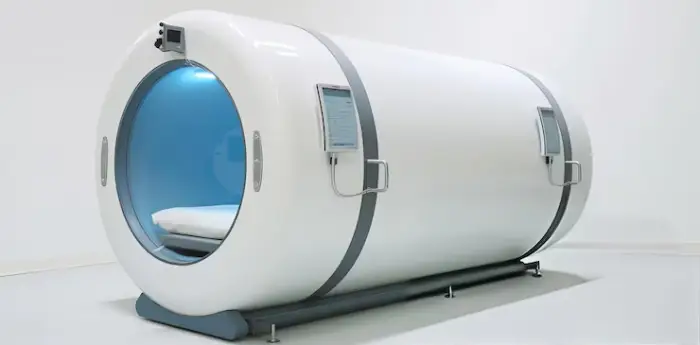
A hyperbaric chamber is a specially designed environment where the air pressure is increased beyond normal atmospheric levels. This unique setting allows patients to breathe pure oxygen at higher pressures, promoting enhanced oxygen absorption in the bloodstream.
These chambers can vary in size, accommodating individuals or groups. Some are large enough for multiple people to undergo treatment together, while others are single-person units that provide an intimate healing space.
The principle behind this therapy is straightforward: increasing oxygen concentration speeds up tissue repair and supports cellular function. As patients relax inside the chamber, they experience a sensation similar to ascending or descending in altitude due to the changes in pressure.
Hyperbaric chambers have become essential tools not only for divers dealing with decompression sickness but also for various medical conditions requiring accelerated healing processes.
History of Hyperbaric Chamber Treatments
The history of hyperbaric chamber treatments dates back to the 17th century. The first known use involved a device called the “domicilium,” designed by physician Henshaw, primarily for treating respiratory ailments.
Fast forward to World War I, when doctors noticed that divers suffered from decompression sickness. This prompted further research into oxygen therapy in pressurized environments.
By the mid-20th century, hospitals began incorporating hyperbaric chambers as standard treatment options for specific medical conditions like carbon monoxide poisoning and chronic non-healing wounds. This evolution has significantly shaped how healthcare providers utilize this innovative therapy today.
How Does a Hyperbaric Chamber Work?
A hyperbaric chamber operates by creating an environment with higher-than-normal atmospheric pressure. Patients enter the chamber, which is designed to be airtight and can accommodate one or more individuals.
Once sealed inside, the pressure begins to rise. This increase allows oxygen to dissolve into the bloodstream more effectively than under normal conditions. The body absorbs this extra oxygen, promoting healing at a cellular level.
During treatment, patients typically breathe pure oxygen for set intervals while relaxing in a controlled setting. Sessions usually last about 60 to 90 minutes.
This unique approach enhances blood flow and helps combat infections by stimulating white blood cell activity. As tissues receive more oxygen, they regenerate faster, making hyperbaric therapy beneficial for various medical conditions.
Conditions Treated with Hyperbaric Oxygen Therapy
Hyperbaric Oxygen Therapy (HBOT) is a powerful treatment for various medical conditions.
One of the most recognized uses is in treating decompression sickness, often seen in divers. The increased pressure helps to reduce nitrogen bubbles that can lead to serious health issues.
Another condition effectively treated with HBOT is chronic non-healing wounds. Patients with diabetes or vascular diseases often benefit from enhanced oxygen delivery, promoting faster healing.
Radiation injuries are also addressed through this therapy. It aids in repairing tissue damaged by radiation, offering hope to cancer patients facing severe side effects.
Furthermore, HBOT plays a role in combating carbon monoxide poisoning, providing critical support by increasing oxygen levels and speeding up recovery.
These diverse applications highlight the versatility of hyperbaric chambers in modern medicine. Each patient’s journey may vary, but many find relief and improved quality of life through these treatments.
Benefits and Risks of Hyperbaric Chamber Treatments
Hyperbaric chamber treatments offer a range of benefits. Increased oxygen levels can accelerate healing. This is particularly notable for wounds that resist traditional therapies.
Athletes often use hyperbaric therapy to enhance recovery after intense training or injury. The boost in oxygen aids muscle repair and reduces inflammation.
However, there are risks involved as well. Some patients may experience ear pain due to pressure changes. Claustrophobia can be an issue for those who feel anxious in confined spaces.
Additionally, while rare, complications like oxygen toxicity can occur if treatment protocols aren’t followed correctly. It’s essential to discuss these potential side effects with your healthcare provider before starting any treatment regimen.
Understanding both the advantages and drawbacks ensures informed decisions about using hyperbaric chambers for health improvement or recovery purposes.
The Process of Receiving Hyperbaric Treatment
Receiving hyperbaric treatment begins with a thorough consultation. A healthcare provider will assess your medical history and current health condition to determine if this therapy is suitable for you.
Once cleared, you’ll be guided to the hyperbaric chamber. The room is spacious and comfortable, designed to put you at ease. You’ll typically wear soft clothing, ensuring comfort throughout the session.
As the treatment begins, air pressure gradually increases inside the chamber. This process may feel unusual but should not cause discomfort. You might experience slight changes in your ears as they adjust to pressure, similar to what happens during takeoff on an airplane.
Sessions usually last about 60-90 minutes, during which you’ll relax or engage in quiet activities like reading or listening to music. Staff members monitor you closely from outside the chamber for safety and support throughout your treatment journey.
Cost and Insurance Coverage for Hyperbaric Therapy
The cost of hyperbaric chamber treatments can vary significantly based on location and the facility’s pricing structure. On average, a single session may range from $200 to $500.
Many patients seek multiple sessions, which can lead to substantial expenses. It’s crucial to inquire about package deals or discounted rates if you anticipate needing several treatments.
Insurance coverage for hyperbaric therapy is another area that requires careful consideration. Some insurance plans do cover specific medical conditions treated with this therapy, such as decompression sickness or chronic wounds.
Before committing to treatment, contact your insurance provider for detailed information regarding coverage specifics. Documentation from your healthcare provider might be necessary to demonstrate medical necessity.
Always ask the facility about their experience with insurance claims and any assistance they provide in navigating the process. Knowing these details upfront can help alleviate some financial stress associated with treatment decisions.
Finding a Qualified Facility for Treatment
Choosing the right facility for hyperbaric chamber treatments is crucial. Start by researching local clinics that specialize in this therapy. Look for centers with accreditation from recognized organizations, ensuring they meet safety and operational standards.
Check reviews and testimonials from former patients. This feedback can provide insight into their experiences and outcomes.
Visit potential facilities if possible. A tour allows you to observe cleanliness, staff professionalism, and equipment quality.
Ask about the qualifications of healthcare providers administering treatments. Ensure they have experience in hyperbaric medicine.
Don’t hesitate to inquire about treatment protocols and patient support services offered at the clinic. Transparency is a good sign of a reputable facility dedicated to patient care and safety.
Consider logistics—location, appointment availability, and insurance acceptance—all play vital roles in your decision-making process when seeking hyperbaric chamber therapy.
Personal Experiences and Success Stories with Hyperbar
Personal experiences and success stories with hyperbaric chamber treatments provide valuable insights into the effectiveness of this therapy. Many patients report significant improvements in their health after undergoing hyperbaric oxygen therapy. These accounts often highlight faster recovery times from injuries, enhanced healing for chronic wounds, and relief from conditions such as fibromyalgia.
For instance, athletes frequently share how hyperbaric treatments help them recover more quickly post-injury or surgery. Some cancer survivors discuss using hyperbaric chambers to alleviate side effects of radiation therapy, noting improved energy levels and overall well-being.
Additionally, individuals with diabetes have experienced remarkable healing of foot ulcers that traditional methods failed to address. Their journeys showcase not only physical healing but also emotional resilience gained through treatment.
These personal narratives emphasize the potential benefits of hyperbaric chamber therapies while providing hope and encouragement to those considering it. As more people discover these success stories, awareness about the advantages of this innovative approach continues to grow within the medical community and beyond.
Resource URL:
https://en.wikipedia.org/wiki/Hyperbaric_medicine
https://immediatecarearizona.com/hyperbaric-oxygen-therapy/

Martin Evans is a tech specialist with 10+ years of experience in software engineering, data analytics and digital transformation. He currently works as Senior Software Engineer for a leading IT solutions company in England. Martin has a passion for programming and loves staying up to date with the latest technology trends. He specializes in developing custom software solutions and is experienced with everything from front end to back end engineering practices.