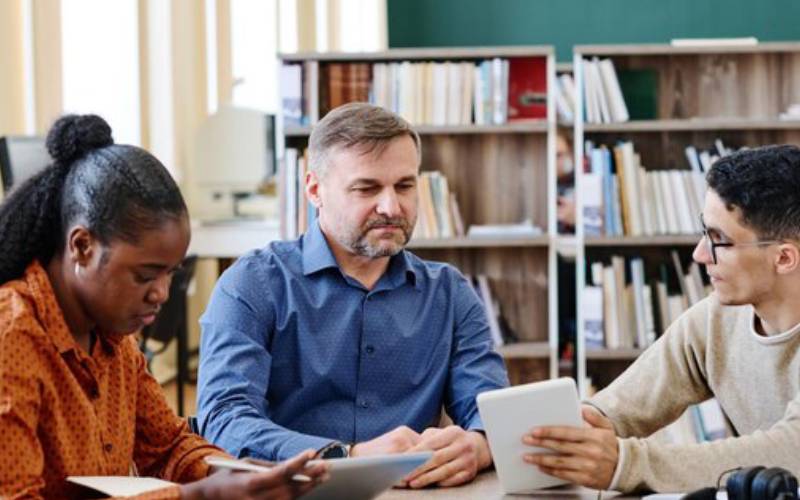

In today’s rapidly evolving digital age, it is imperative for educators to adapt their teaching methods to foster digital literacy among students. Libraries, as information hubs, have a unique role in this endeavor. Incorporating digital literacy into library lesson plans not only equips students with essential skills for the 21st century but also ensures that libraries remain relevant in an increasingly digital world. This comprehensive exploration delves into various facets of incorporating digital literacy into library lesson plans, demonstrating how libraries can empower students, collaborate with teachers, celebrate diversity, gamify learning, cater to early childhood education, teach digital citizenship, and seamlessly integrate digital tools.
Empowering Students: Library Lesson Plans That Promote Inquiry And Critical Thinking
Library lesson plans that promote inquiry and critical thinking empower students to become active seekers of knowledge. These plans encourage students to go beyond simple information retrieval and engage in deeper analysis and evaluation of digital resources. By incorporating digital literacy, librarians can guide students in discerning reliable sources from the vast sea of online information. This not only enhances their research skills but also fosters a sense of intellectual independence, enabling them to navigate the digital landscape with confidence.

Collaborating With Classroom Teachers: Library Lesson Plans
Collaboration between librarians and classroom teachers is essential for the successful integration of digital literacy into lesson plans. By working together, educators can create a holistic learning experience that combines subject matter expertise with information literacy skills. This collaboration also ensures that digital literacy is seamlessly integrated into the curriculum, reinforcing its importance and relevance in students’ educational journey.Collaborating with classroom teachers allows for creating dynamic and engaging library lesson plans that incorporate the curriculum and enhance student learning.
Diverse And Inclusive: Library Lesson Plans That Celebrate Different Cultures And Perspectives
Incorporating digital literacy into library lesson plans offers an opportunity to celebrate diversity and inclusivity. By curating a diverse range of digital resources, librarians can expose students to different cultures, perspectives, and voices. This not only broadens their horizons but also fosters empathy and a greater understanding of the global community. Moreover, it equips students with the skills to critically assess digital content for biases and stereotypes, promoting a more inclusive digital environment.
Gamifying Library Lessons: Using Game-Based Learning In Your Plan
Gamification is a powerful tool for engaging students in the digital age. By incorporating game-based learning elements into library lesson plans, librarians can make the acquisition of digital literacy skills more enjoyable and interactive. Games can teach students how to navigate digital platforms, evaluate online information, and practice responsible digital behavior. Gamified library lessons not only make learning fun but also reinforce the importance of digital literacy in a captivating way.
From Storytime To Research Skills: Library Lesson Plans For Early Childhood Education
Digital literacy should not be limited to older students; it is equally vital for early childhood education. Library lesson plans for young learners can introduce age-appropriate digital literacy concepts through interactive storytelling, educational apps, and digital art projects. These plans lay the foundation for future digital skills development while nurturing a love for learning in the digital realm from an early age.
Digital Citizenship: A Vital Component In Modern Library Sessions
Digital citizenship is an integral part of modern library sessions. Librarians play a crucial role in teaching students how to navigate the digital world responsibly and ethically. Library lesson plans should incorporate discussions on online safety, privacy, and ethical online behavior. By instilling these principles, librarians contribute to the development of responsible and informed digital citizens who can navigate the complexities of the internet with integrity.
Bridging The Gap: How To Seamlessly Integrate Digital Tools In Library Lessons?
The seamless integration of digital tools into library lessons is paramount for their success. Librarians must stay up-to-date with the latest educational technologies and tools to provide students with the best learning experiences. This section explores strategies for integrating digital tools such as online databases, multimedia resources, and collaborative platforms effectively. Bridging the gap between traditional library resources and digital tools ensures that library lessons remain relevant and valuable in the digital age.
Conclusion
Incorporating digital literacy into library lesson plans is not merely an option but a necessity in today’s educational landscape. It empowers students, fosters collaboration, celebrates diversity, gamifies learning, caters to early childhood education, promotes digital citizenship, and seamlessly integrates digital tools. Libraries, as hubs of knowledge and innovation, are uniquely positioned to lead the charge in equipping students with the digital literacy skills they need to thrive in the 21st century. As libraries continue to evolve, so too must their lesson plans, ensuring that they remain relevant, engaging, and effective in preparing students for the digital challenges and opportunities of the future.

Martin Evans is a tech specialist with 10+ years of experience in software engineering, data analytics and digital transformation. He currently works as Senior Software Engineer for a leading IT solutions company in England. Martin has a passion for programming and loves staying up to date with the latest technology trends. He specializes in developing custom software solutions and is experienced with everything from front end to back end engineering practices.